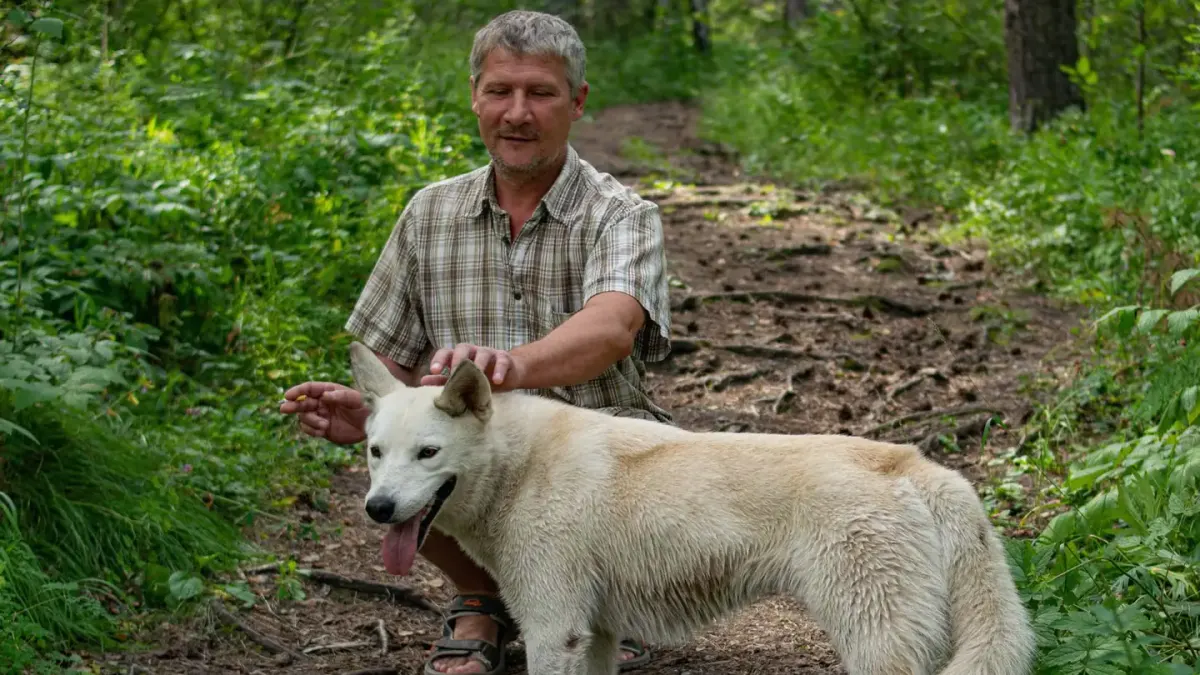
Measure load first, then manage the house around it. A Labrador Retriever, Golden Retriever, German Shepherd Dog, Rottweiler, or Standard Poodle sitting at 80 to 100 pounds drives two to three times its body weight through a hip or elbow on stairs, jumps, and sudden turns. Plan the environment for that force before stiffness appears.
Tamara in Wichita Falls, Texas lives with Tia, an 8-year-old spayed female Rottweiler holding at 88 pounds. Tia started pausing at the tailgate and scrambling on the kitchen tile after a 2-mile walk. Tamara weighed the choice between lifting her every time and changing the setup once. She added a ramp, runners, and a tighter feeding measure.
Vets often see that same sequence in this weight class. The American Kennel Club lists many of these breeds with adult standards that place healthy males and large females squarely in the 80 to 100 pound window, and the Orthopedic Foundation for Animals tracks hip and elbow disorders as predictable problems in large, fast-growing dogs. Cartilage has a limited ability to repair once it thins.
Build the house for a 90-pound frame
Put traction where the dog turns, jumps, and sleeps. Lay washable runners on tile and hardwood along the main travel path. Place a low, firm orthopedic bed on the ground floor so the dog does not have to climb to rest. Block access to high beds and slick decks with a baby gate.
Install a ramp before you need it. Train car loading on a ramp with a gentle slope, high-traction surface, and side rails. Keep the ramp angle under 20 degrees when possible. Reward slow, head-low walking. Lift from the chest and rear, never by twisting the spine, for the rare lift you cannot avoid.
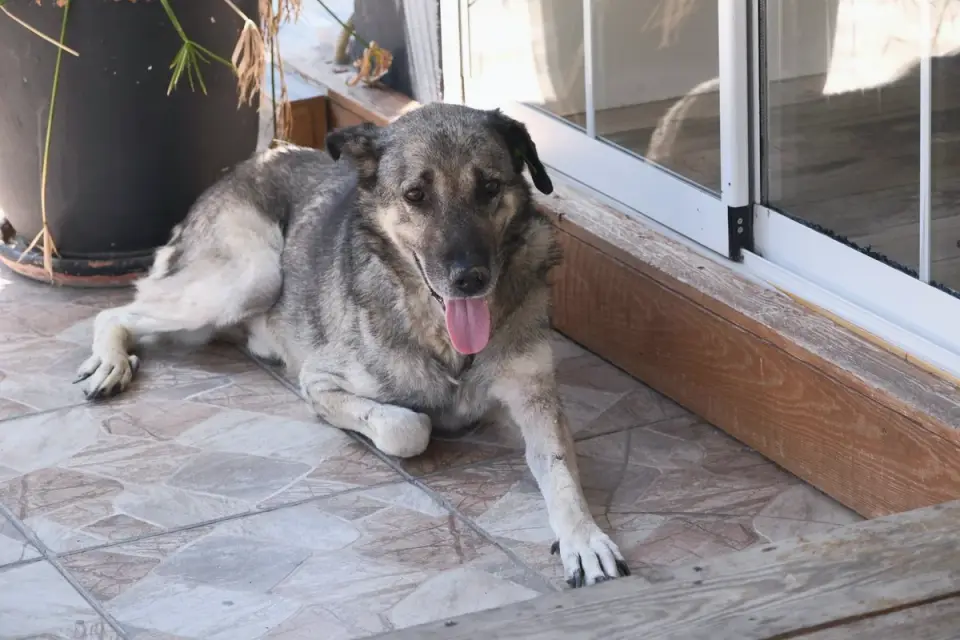
Measure food by the gram. Keep ribs felt but not seen and a visible waist from above. Adjust portions in 5 to 10 percent steps after weighing every two weeks on the same scale. Log treats in the daily total.
Keep muscle on and impact low
Walk daily for soft-tissue support around the joint. Favor leash walks, gentle hills, and controlled sit-to-stand repetitions over fetch, hard stops, and repeated jumps. Warm up for five minutes at a walk. Cool down the same way.
Learn more about serving changes as body weight shifts in Adjusting a Dog’s Joint Supplement Dose as Their Weight Changes and about age-related adjustments in How to Adjust Joint Supplement Dosage for a Senior Dog. For background on what belongs in a formula, read Dog Hip and Joint Supplement: What Actually Belongs in the Scoop.
Glucosamine and chondroitin are among the most studied joint support ingredients for dogs. Frame any chew or powder as adjunctive support to load management, not as a replacement for weight control, muscle, and surgical evaluation when lameness persists.
Get radiographs when lameness lasts more than two weeks.
When this plan is the wrong call
Do not confine a driven young dog to a crate and short leash walks alone. Growing large breeds need controlled motion to build periarticular muscle. Excessive rest weakens the soft-tissue sling that stabilizes the hip, stifle, and shoulder.
If you have a lean, well-muscled 85-pound dog that paces, pants, or loses hind-end muscle despite ramps and diet, stop tightening the plan. Ask your veterinarian for an orthopedic and neurologic exam, radiographs under sedation if indicated, and referral for cruciate disease, elbow dysplasia, or lumbosacral disease. Adjust exercise only after that mechanical diagnosis is clear.
Recap in one line: cut peak force with ramps and traction, hold lean mass with daily low-impact work, and get persistent lameness imaged.
Frequently asked questions
Which common breeds weigh 80 to 100 pounds as adults?
Many Labrador Retrievers, Golden Retrievers, German Shepherd Dogs, Rottweilers, Chesapeake Bay Retrievers, and large Standard Poodles fall in this range, with males often at the top end and females slightly lighter.
What home change helps heavy dogs most?
Add traction and remove jumps first: runners on slick floors, a ground-floor bed, and a trained car ramp reduce peak hip and elbow load every day.
Sources
- Dog Breeds A to Z — American Kennel Club
- Hip Dysplasia Resources — Orthopedic Foundation for Animals