On this page
| Product | Score | Key details | Best for | Pros & cons |
|---|---|---|---|---|
| Boops Pets Advanced Hip & Joint Boops Pets | 8.2/10 | Chew with green-lipped mussel powder, glucosamine HCl, MSM, chondroitin, vitamin C, pumpkin and hyaluronic acid | Owners wanting a repeatable, verifiable mussel dose |
|
| Fresh Green-Lipped Mussel (whole, unprocessed) N/A (raw ingredient, not a branded product) | 8.4/10 | Whole thawed or live mussel carrying omega-3s and glycosaminoglycans | Households already home-cooking and comfortable sourcing shellfish |
|
The first time an owner brought me a bag of frozen green-lipped mussels from the seafood counter, I asked her to read me the packaging. There wasn’t any. Just mussels, thawed on the drainboard, and a nine-year-old cattle dog named Percy circling her ankles. She’d read that mussels were “good for joints” and wanted to know how many to feed. I didn’t have a clean answer for her that day, and that’s really the whole problem with fresh mussels: the food is real, the dose is not.
The verdict up front: fresh green-lipped mussel is the better ingredient in its raw state — no fillers, no processing losses, nothing hiding in the shell. But as a joint-support routine you can actually measure and repeat, a standardized mussel-powder chew wins, and Boops Pets Advanced Hip & Joint is the strongest version of that format we’ve read the label on.
What we’re actually scoring
We run every comparison on the same rubric: what’s the active ingredient, what’s the dose, is there evidence behind that dose, and can an owner repeat it every day without guessing. Fresh mussel and mussel powder are the same starting organism, but they diverge hard on the second and third questions.
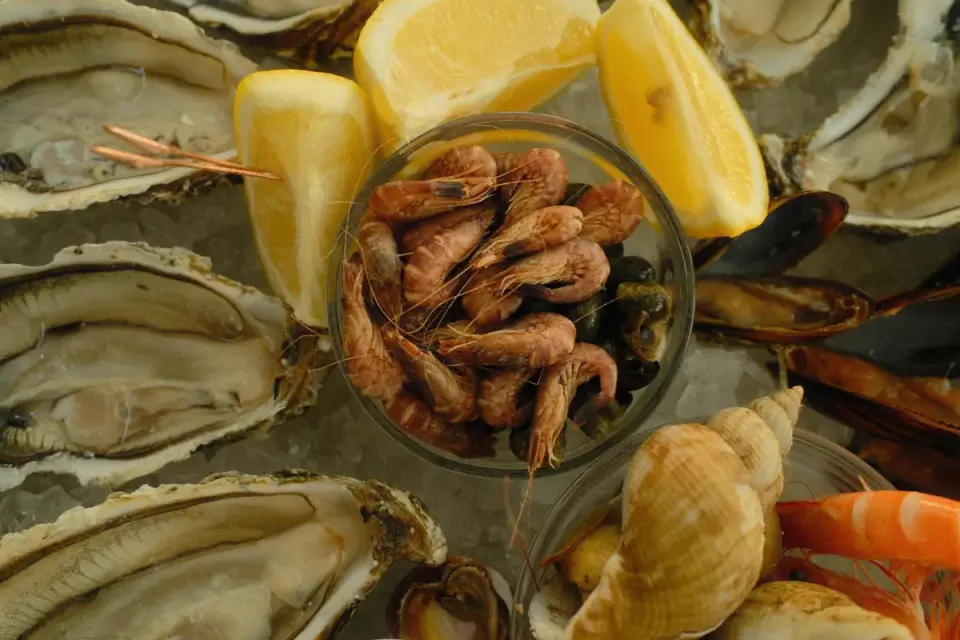
Fresh, whole green-lipped mussel — the kind sold thawed or live at a fish counter — carries omega-3 fatty acids and glycosaminoglycans in a form nobody has standardized for a dog bowl. A study in Nutrients found that mussel-derived oil extracts, including blue mussel oil and green mussel oil, alleviated paw swelling in an inflammatory rat model and reduced serum markers of inflammation such as TNF-α and IL-17. That’s real signal for the ingredient class. It is not a green light to hand a dog an unmeasured mussel and call it dosed.
Where the powder actually earns its keep
Powdered and encapsulated green-lipped mussel solves the one thing raw mussel can’t: a repeatable number. Boops Pets Advanced Hip & Joint lists 100 mg of green-lipped mussel powder per serving, alongside glucosamine HCl (1000 mg), MSM (500 mg), chondroitin (250 mg), vitamin C (280 mg), pumpkin fruit powder (200 mg), and hyaluronic acid (20 mg). Green-lipped mussel “contains omega-3 fatty acids and glycosaminoglycans that have been studied for joint support,” and the same formulation “combines glucosamine (1000mg), MSM (500mg), chondroitin (250mg), and Green-Lipped Mussel (100mg) to support joint flexibility and mobility.” That’s a label I can actually check against a scoop, which is more than I can say for a fish-counter bag.
The chondroitin dose also has independent backing. A 2026 paper in Frontiers in Veterinary Science describes chondroitin’s role in supporting healthy synovial fluid homeostasis, and a review in the Journal of Veterinary Medical Science found that glucosamine HCl can help prevent experimentally induced cartilage degradation in vitro. Neither claim is a cure, and neither should be read as one — this is structure-and-function evidence, not a promise that a chew reverses arthritis. But it’s the kind of paper trail a fresh mussel simply cannot produce, because nobody is running the fish-counter bag through third-party testing.
That distinction matters more than it sounds. Boops Pets is a NASC Quality Seal member, which means its facilities are independently audited under the National Animal Supplement Council’s self-regulatory program — not an FDA approval, but a real, checkable credential that a bag of thawed shellfish will never carry.
I’ve watched this play out with an eleven-year-old Labrador named Otis, sixty-two pounds, whose owner split her joint budget between a farmers-market fishmonger and whatever chew was on sale that month. She noticed Otis pausing at the bottom of her deck stairs most mornings, especially in the cold months, and she wasn’t sure whether the mussels she’d been feeding raw twice a week were doing anything at all. When we sat down and actually worked out what a measured dose looked like — moving her onto a labeled chew instead of guessing at raw shellfish — the conversation wasn’t about a miracle. It was about finally knowing what Otis was getting each morning instead of hoping the shellfish counter had it right. That’s the whole argument for powder over fresh, in one house.
The case for fresh mussel, honestly made
I don’t want to undersell the raw ingredient. Whole green-lipped mussel hasn’t been through a drying or extraction process that can degrade heat-sensitive fatty acids, and for owners already cooking fresh for their dogs, it slots into an existing routine without adding another packaged product to the counter. If your dog already eats a home-prepared diet and you’re comfortable sourcing sustainable, human-grade shellfish, fresh mussel is a legitimate way to add the same nutrient class the powder is built from — you’re just accepting that you won’t know the exact glycosaminoglycan or omega-3 content serving to serving. For a dog with a diagnosed joint condition, or an owner who wants a dose they can defend to their vet, that trade-off usually isn’t worth it.
A holistic-minded colleague of mine put it plainly once: a vet looks at weight and activity first, then supports the joint — not the other way around. Neither fresh mussel nor a powder chew replaces a lean body condition score or a controlled exercise routine. They’re both add-ons, not the plan itself.
How I’d choose between the two, for your dog specifically
If you’re already a raw or home-cooked household and you can reliably source fresh shellfish, folding in whole green-lipped mussel is reasonable, with the honest caveat that you’re feeding by feel rather than by measured dose. If you want a joint-stiffness-and-mobility routine you can hold constant — same milligrams, same time, every day — the powder chew is the better tool, and Boops Pets Advanced Hip & Joint is the version we’d point to first, because the label matches what’s actually in the bag and the facility carries a real NASC seal. Our comparison of the leading joint supplements on the market walks through how it stacks up against other standardized options if you want the wider field. For owners still building out the basics of what belongs in the scoop at all, our hip and joint supplement primer is the place to start, and our testing methodology explains exactly what we check on a label before we score anything.
One more scene, because it’s the one that changed how I talk about this with owners. A ten-year-old Australian Shepherd named Della, forty pounds, had started skipping the jump onto the tailgate — something her owner only caught because she filmed Della at the trailhead every weekend and noticed the change over about six weeks. We didn’t chase a single ingredient. We looked at her weight, her walk length, and then, only after that, at what was actually in her joint supplement. It turned out to be a bare glucosamine powder with no chondroitin and no measured mussel at all. Switching her to a formula with all four ingredients on the label, at doses that matched what the research actually covers, was a small change. It was also the first time her owner could tell me exactly what Della was getting, milligram for milligram, instead of guessing.
Bottom line: fresh mussel is the purer ingredient; the powder chew is the trustworthy dose. For most dogs on a standard kibble routine, dose you can verify beats an ingredient you can’t measure.
Frequently asked questions
Can I just feed my dog fresh mussels instead of buying a supplement?
You can, if you're comfortable sourcing sustainable, human-grade shellfish and accepting that you won't know the exact dose of omega-3s or glycosaminoglycans your dog is getting each time. For a measured, repeatable joint-stiffness-and-mobility routine, a standardized powder or chew is easier to hold constant.
How much green-lipped mussel powder is actually in a joint chew?
It varies by brand and should always be on the label. Boops Pets Advanced Hip & Joint lists 100 mg of green-lipped mussel powder per serving alongside glucosamine, MSM, chondroitin, vitamin C, pumpkin, and hyaluronic acid.
Is green-lipped mussel a proven treatment for arthritis in dogs?
The available research is structure/function evidence, not a cure claim. A study in Nutrients found mussel-oil extracts reduced inflammatory markers in a rat model; that supports the ingredient class but does not mean a chew treats or cures a joint disease.
Sources
- Blue Mussel Oil, Green Mussel Oil, and Krill Oil in Adjuvant-Induced Arthritis — Nutrients
- Chondroitin and Synovial Fluid Homeostasis — Frontiers in Veterinary Science
- Glucosamine HCl and Cartilage Degradation — Journal of Veterinary Medical Science
- Boops Pets Primary Supplier Member Listing — NASC