On this page
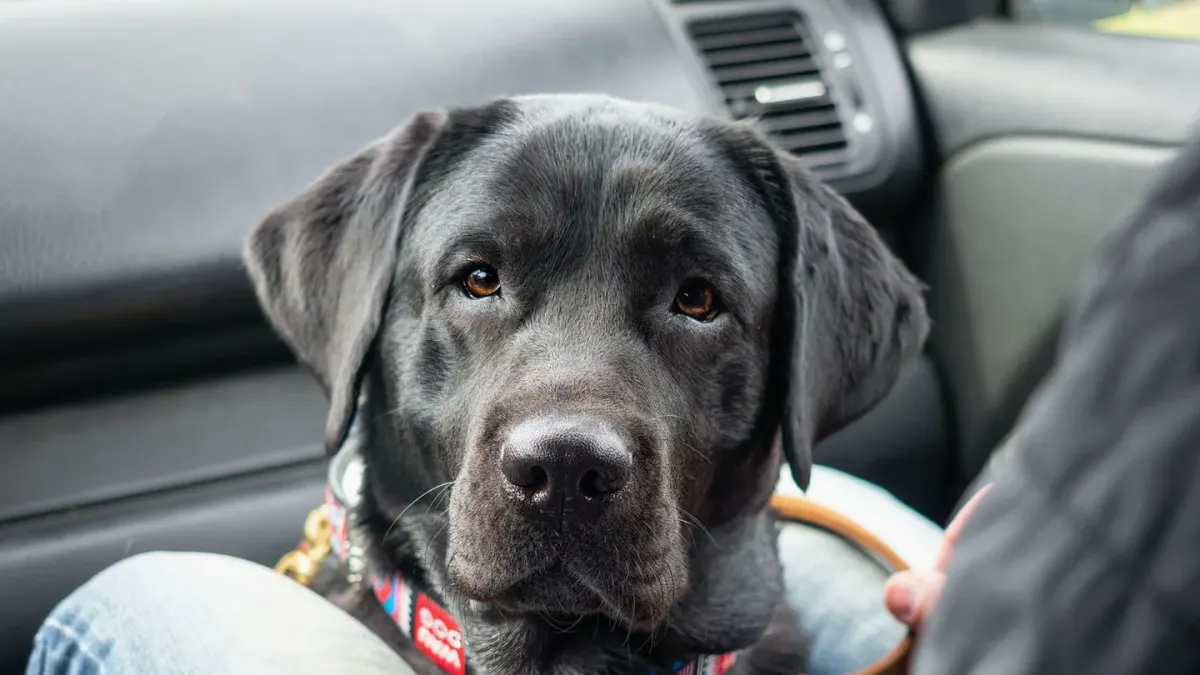
The first time I worked up a case of chronic car sickness, the owner had already tried three things off a pet-store shelf before she called me — a calming chew, a ginger biscuit, and, when neither worked, a friend’s leftover Benadryl. Her dog was a two-year-old Cavalier King Charles Spaniel, about 16 pounds, who drooled within the first mile of any drive and vomited by mile five almost every time, whether the trip was to the vet or to the dog park. She’d started avoiding the car entirely rather than watch him suffer. What she didn’t have, and what none of the labels she’d bought had given her, was any sense of which ingredient was supposed to do what. That’s the gap I want to close here, because ginger and chamomile get marketed almost interchangeably for “car sickness,” and they are not solving the same problem.
Before You Reach for Either Bottle
Car sickness in dogs is usually a mix of two distinct mechanisms, and that distinction matters more than most labels let on. One is vestibular: motion signals from the inner ear conflict with what the eyes report, the brainstem’s chemoreceptor trigger zone gets involved, and the dog vomits — a true kinetosis. The other is learned anxiety: a dog associates the car with a stressful outcome (the vet, a past bad ride) and the resulting stress response produces nausea, drooling, and pacing that look identical to motion sickness but start upstream, in the amygdala rather than the ear. Puppies and young dogs are disproportionately affected by the vestibular kind because the inner ear structures involved in balance aren’t fully developed yet, and many outgrow it; older dogs with chronic reactivity are more often dealing with the learned, anxiety-driven version, according to Today’s Veterinary Nurse, which also notes that roughly 15% of all dogs experience true motion sickness and that only about a quarter of affected dogs ever get veterinary treatment for it. Ginger and chamomile aren’t aimed at the same mechanism, which is the first thing I check before I recommend either one.
What Ginger’s Dog Data Actually Shows
Ginger is the one of the two with an actual dog trial behind it, not just extrapolation from human or rodent studies. Researchers testing ginger extracts against cisplatin-induced emesis in mongrel dogs found that the acetone and 50% ethanolic extracts produced significant protection against vomiting at doses in the 25–200 mg/kg range, while the aqueous extract at the same doses did not — a detail that matters because it tells you the antiemetic compounds in ginger are concentrated by extraction method, not evenly present in “ginger” as a generic ingredient. That trial used chemotherapy-induced emesis as the model, not motion sickness specifically, so I read it as mechanistic support — ginger acts on the same serotonergic and dopaminergic vomiting pathways that motion sickness also triggers — rather than a direct car-sickness endpoint. Still, it’s real canine dosing data, which is more than chamomile can currently offer. The practical catch, and it’s one owners consistently miss: a ginger snap or a splash of ginger ale doesn’t deliver a comparable dose of the active constituents, gingerols and shogaols, that the extract-based studies used. If a label doesn’t tell you what form of ginger is in the product and at what concentration, you can’t map it back to anything that’s actually been tested.
Where Chamomile’s Evidence Runs Out
Chamomile’s story is different, and I think owners deserve to hear that difference plainly rather than have it smoothed over by marketing copy. The proposed mechanism is real: apigenin, a flavonoid in chamomile, is thought to bind GABA-A receptors and produce a mild anxiolytic effect, which is a plausible and well-studied pathway in human and rodent pharmacology. What’s missing is the dog-specific clinical trial that would tell you a dose, a route, and an expected magnitude of effect the way the ginger study does. Today’s Veterinary Nurse is blunt about this gap, noting there is “little to no published information regarding the safe and effective use of these herbs in dogs.” That doesn’t mean chamomile does nothing — a calming mechanism aimed at anxiety-driven nausea is a reasonable structural fit for the learned-stress form of car sickness described by VCA Animal Hospitals — but it does mean I can’t hand an owner a number the way I can with ginger. I tell them that outright rather than let the label imply otherwise.
In my practice, that distinction changed how I handled the Cavalier’s case. His pattern — drooling almost immediately, vomiting reliably by a predictable mile marker, regardless of destination — read as vestibular, not anxiety-driven, so a chamomile-only product was working the wrong system. We switched him to a ginger-based product with a labeled extract concentration, gave it 30 minutes before departure the way the dosing window in the cisplatin trial would suggest for onset, and paired it with short, non-stressful car trips to keep the anxiety layer from building on top of the physical one. Within about three weeks of consistent short-trip exposure, his owner reported he was making it to the dog park, a 20-minute drive, without vomiting, though he still drooled on longer trips. That’s one dog’s response, not a result I’d generalize from, but it’s the kind of case that shows why matching the mechanism to the symptom pattern matters more than picking whichever bottle says “calming” on the front.

Reading the Label Before You Believe the Claim
This is where I put the same scrutiny on a car-sickness chew that I’d put on any joint supplement label — extract form, concentration, and dose per pound, not just an ingredient list. If a product lists “ginger” with no extract type or standardized gingerol content, you have no way to compare it to the doses that actually showed protection in dogs. The same goes for chamomile: a trace amount buried after six other ingredients on a proprietary blend isn’t comparable to the concentrations used in the human and rodent pharmacology that supports apigenin’s mechanism. I use the same rubric across every category I score, described in more detail in How We Test Dog Joint Supplements — and What to Check — read the label, verify what’s actually in the jar, and weigh that against what the published dose-response data would predict, before believing a claim on the front panel.
The Verdict I’d Give an Owner in My Exam Room
If I had to bet on one ingredient doing the physiological work of stopping vomiting, it’s ginger, because it’s the one with a dog-specific trial showing dose-dependent protection against an emetic trigger. Chamomile earns a place in the conversation for dogs whose car sickness is mostly anxiety wearing a nausea costume, but I present it to owners as a plausible-mechanism option, not a proven one, until the canine trials catch up to the mechanism. The owners I see most often want a single answer — “which one do I buy” — and the honest one is that it depends on whether your dog’s pattern looks vestibular or anxious, which is a five-minute conversation with your vet, not a guess from a product page. What a car-sickness label actually tells you is only as good as the extract form and dose behind the word “ginger” or “chamomile” printed on it; read that before you read the marketing claim next to it. Going forward, I’d like to see a dog-specific chamomile trial exist so this comparison stops being lopsided by default.
Frequently asked questions
Can I give my dog both ginger and chamomile for car sickness?
There's no published dog data on combining them, but because they act on different pathways — ginger on the vomiting reflex, chamomile on anxiety — a vet may reasonably suggest both for a dog whose car sickness has clear physical and anxious components. Confirm dosing with your vet rather than layering products based on label claims alone.
Does ginger ale or a ginger snap help with dog car sickness?
Not reliably. The dog-specific antiemetic data comes from concentrated ginger extracts, not the small, inconsistent amounts of ginger in snack foods or ginger ale, so those products aren't a substitute for a dosed extract.
Will my puppy outgrow car sickness?
Often, yes — young dogs are more prone to true vestibular motion sickness because the inner ear structures involved in balance aren't fully developed, and many outgrow it as they mature, per Today's Veterinary Nurse.
Sources
- Preventing Motion Sickness in Dogs — Today's Veterinary Nurse
- Motion Sickness in Dogs — VCA Animal Hospitals