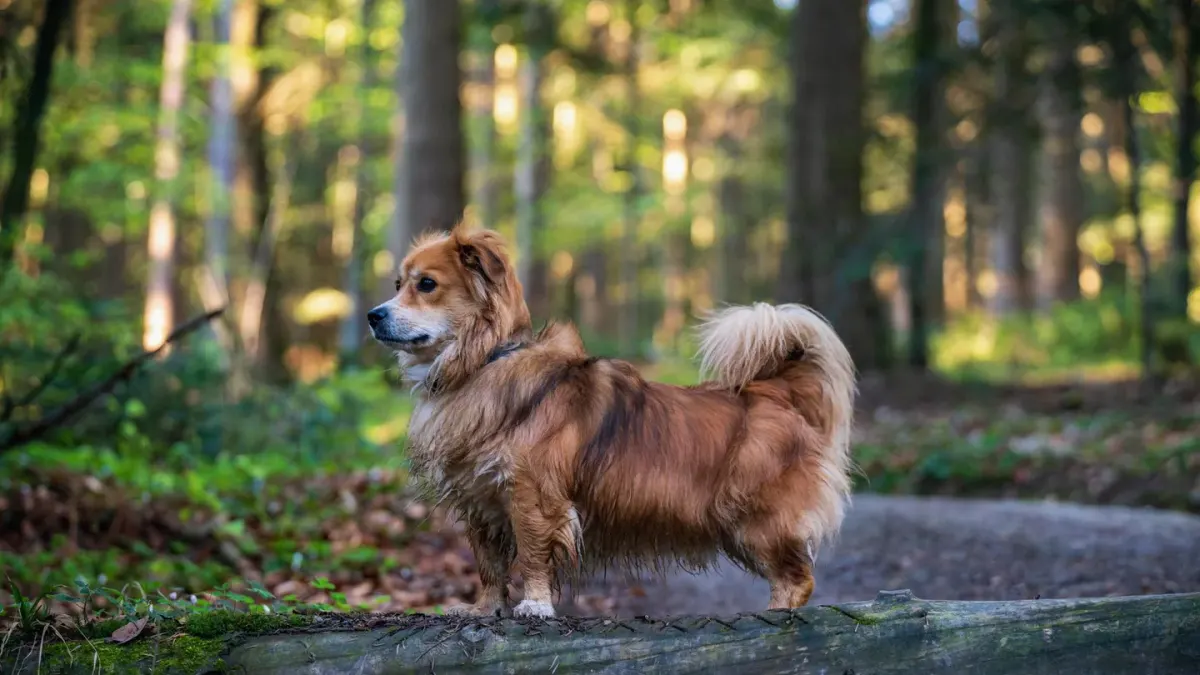
It was a rainy Tuesday and a 7-year-old, 68-pound Labrador mix was panting after two hallway fetches, elbows splaying on the turn, owner hovering with a treat pouch and an apology. She wanted to help him lose weight but the stairs hurt him, the park was mud, and every throw ended with a crash into the couch. We skipped the fetch, laid a towel runway down the hall, and measured what he could actually do without soreness the next day. By day 10, his turn was tighter and his recovery breathing was visibly shorter, and that small change set the whole plan.
My verdict for indoor exercise for overweight dogs: prioritize controlled, low-impact duration over intensity, pair it with measured feeding, and weigh what a supplement can realistically do for diet, mobility, and recovery rather than expecting it to drive weight loss.
The overweight-indoor checklist I use first:
- Clear a non-slip 15–20 foot lane and remove turn hazards
- Start with 2 x 5-minute low-impact bouts per day, rest between
- Choose walking-based work: leash laps, scatter feeding, step-overs
- Track body condition, respiratory effort, and next-day stiffness
- Keep food measured; exercise does not outrun extra calories
- Recheck joint comfort before adding time, not speed
How does indoor exercise need to change for an overweight dog?
Excess weight increases load on cartilage, tendons, and synovial structures with every step and turn. That is why I keep indoor work walking-based, on traction, with wide turns and frequent breaks. For practical progression ideas, I point owners to How to Gradually Increase a Dog’s Exercise for Weight Loss before they add minutes at home.
Short bouts also help with adherence and thermoregulation. A heavy dog in a warm living room fatigues faster, so two controlled five-minute sessions beat one exhausting fifteen-minute chase.
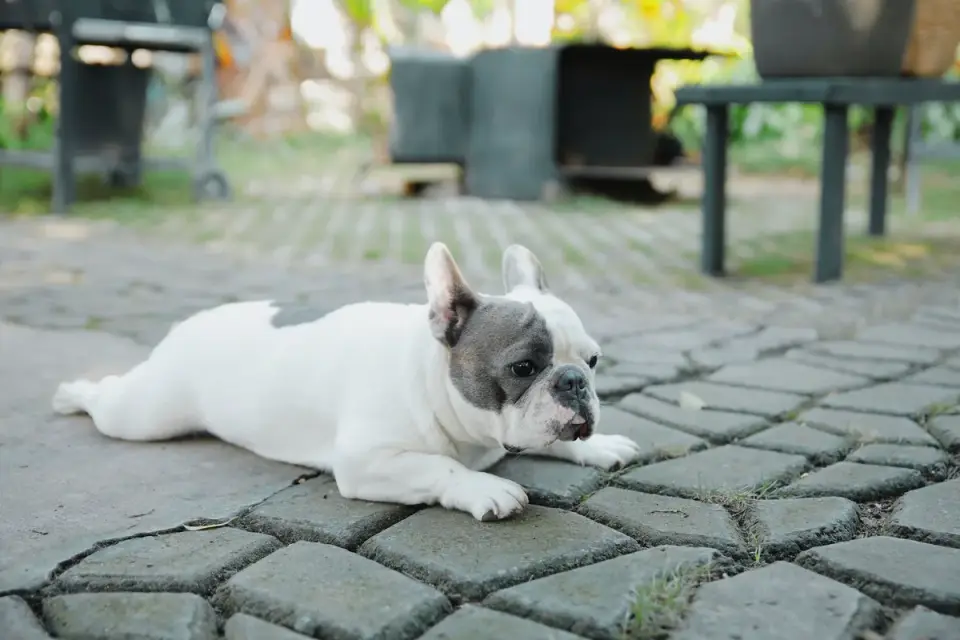
What does a joint-aware indoor circuit look like?
I build it from ingredients I can dose: surface, duration, repetitions, and rest. A sample 6-minute loop is leash walk laps down the hall for two minutes, three to five low step-overs over a broomstick on books for coordination, then scatter kibble from the measured meal in grass mats for sniff-and-step work. Repeat once if breathing recovers within three minutes.
Avoid repetitive jumping, slick-floor sprints, and wrestling that loads shoulders. If you live with cold winters and need swaps, see How to Exercise a Dog in Cold Weather Without Wrecking Their Joints for traction and warm-up logic that transfers indoors.
The second dog taught me the tradeoff. He was a 5-year-old, 84-pound bully mix, three weeks into a well-meaning indoor plan built on stair climbs and tug marathons. The owner reported better energy on day four, then hind-end stiffness on mornings after, reluctance to rise, and licking at one carpus. We cut stairs entirely, replaced tug with leash laps and nose work on yoga mats, and split one long bout into three short ones. By week three his morning rise was easier, but the lesson held: intensity that looks like success on day one can bill the joints on day two.
Where do food and joint nutrition fit?
Weight loss comes from sustained calorie balance plus mobility that lets the dog keep moving. Exercise supports that balance, and grounding an integrative claim in the nutritional evidence means naming what nutrition can and cannot do. Glucosamine and chondroitin are among the most studied joint support ingredients for dogs, as summarized in work indexed by the Journal of Veterinary Medical Science, which notes in review that glucosamine work has been reported to “prevent experimentally induced cartilage degradation in vitro”.
That language matters. In vitro support for cartilage biology is not proof of weight loss or pain relief. Similarly, green-lipped mussel research often cited for joint support includes mechanistic work in which, per the Nutrients report, “BMO, GMO, and KO all alleviated paw swelling in rats and reduced serum levels of rheumatoid factor (RF), anti-cyclic citrullinated peptide (anti-CCP) antibody, and pro-inflammatory cytokines such as TNF-α and IL-17.” That is rodent and mechanistic data, not a canine weight-loss outcome.
For synovial biology, recent peer-reviewed work discussed by Frontiers in Veterinary Science uses structure/function language around chondroitin to describe support that “supports healthy synovial fluid homeostasis”. I read that as maintenance support for the joint environment during a sensible exercise and feeding plan, not a driver of fat loss.
How do I progress without setbacks?
Add five minutes total per week only if three things hold: normal breathing recovery, no next-day lag on rising, and steady food intake without compensatory treats. Keep one easy day between harder days. If lameness, prolonged panting, or reluctance appears, shorten by half and hold for a week.
Owners juggling more than one dog need separation first. Train stations on mats, work dogs one at a time, then combine only for leash walks. The approach in How to Exercise Multiple Dogs at Once (Without Wrecking a Joint) maps well to small living rooms.
The edge case was a 10-year-old, 42-pound beagle mix with a quiet back history who moved well sideways but bunny-hopped one hallway turn by day 14 of an otherwise perfect indoor walking plan. No yelp, just a shortened stride and a pause before the dog bed. Tight turns on tile were the trigger, even at low speed. We widened the loop into a figure-eight around two chairs, added a rug runner, and kept sessions to four minutes. That one spatial fix changed how I apply every overweight plan since: measure the turn, not just the time.
Bad-weather weeks demand variety without impact. Rotate scatter feeding, slow leash laps, and low cavaletti for mental fatigue, using ideas from Indoor Exercise Ideas for Rainy or Bad-Weather Days and keeping treats inside the measured ration.
You do not need a gym to help an overweight dog move better, only traction, timing, and restraint on intensity.
Frequently asked questions
How much indoor exercise should an overweight dog start with?
Start with two 5-minute low-impact bouts daily on non-slip flooring, then add total time slowly only if breathing recovery and next-day movement stay normal.
What indoor exercises are safest for heavy dogs?
Leash laps, scatter feeding from measured meals, and low step-overs with wide turns. Avoid stairs, jumping, and slick-floor chase.
Can supplements cause weight loss?
No. Measured feeding and consistent movement drive fat loss; joint-support ingredients may help support the joint environment during activity.
Sources
- Synovial Homeostasis Review — Frontiers in Veterinary Science
- Glucosamine Cartilage Review — Journal of Veterinary Medical Science
- Mussel Oil Anti-inflammatory Study — Nutrients