On this page
- Why does the timeline sit at two weeks instead of a few days?
- What actually counts as “too much” in that first week or two?
- How do I know when my dog is actually ready to run?
- Does the restriction differ for a spay versus a neuter?
- What if my dog already ran, jumped, or played rough before the two weeks were up?
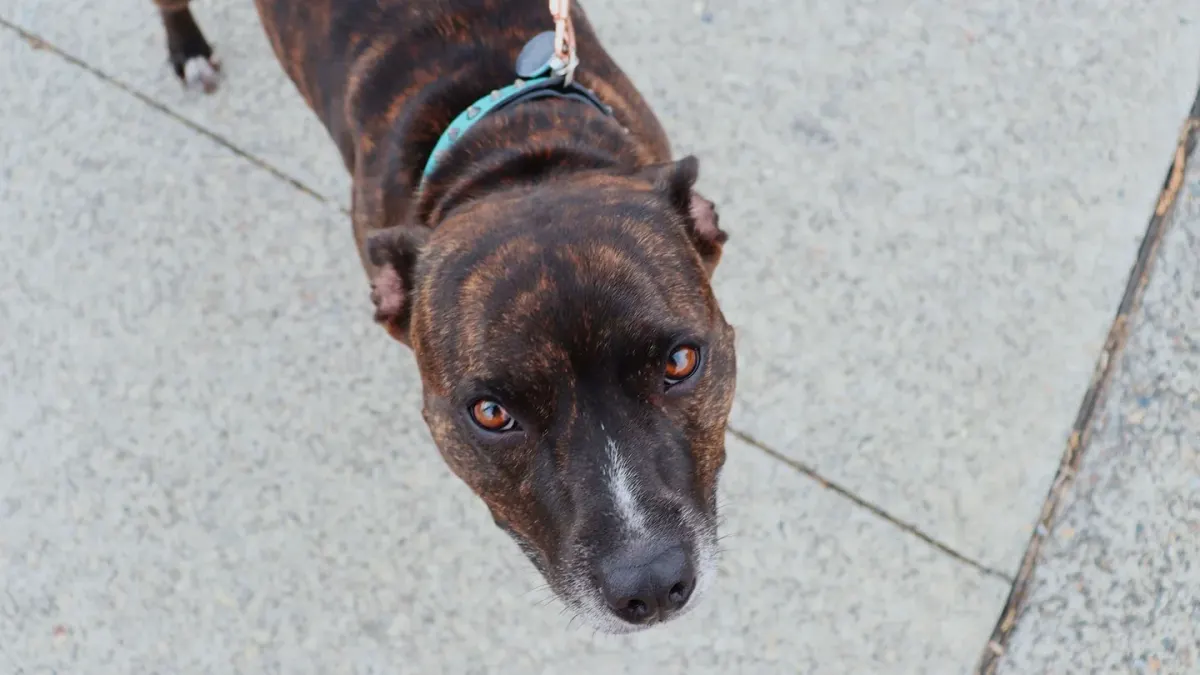
A young Labrador retriever I worked with, about eight months old and already sixty-some pounds, came in for a recheck four days after his neuter. He looked completely normal — tail up, dragging his owner toward the door, ready to bolt across the parking lot. His incision looked normal too, pink and dry, no discharge. And that is exactly the moment I worry most about as a clinician, because a good-looking incision on day four tells you almost nothing about what is happening one layer underneath it.
Here’s the short answer: most dogs need 10 to 14 days of real activity restriction after a spay or neuter, and full return to running, jumping, or off-leash play should wait for your veterinarian’s confirmation at the recheck, not for how the dog feels. The visible skin incision is the last thing to heal and the first thing you can inspect. The muscle and body-wall layer underneath it — the layer actually holding the abdomen closed in a spay, or the tissue plane closed after a neuter — takes longer, and you cannot see it from across the room.
Why does the timeline sit at two weeks instead of a few days?
Surgical wound healing in dogs follows a fairly predictable biological sequence, and it is worth walking through because it explains why the restriction period is not arbitrary. In the first three to five days, the wound is in an inflammatory phase — the body is clearing debris and beginning to lay down a fragile fibrin scaffold across the incision. That scaffold has essentially no tensile strength on its own. Over the following week, fibroblasts move in and start producing collagen, and the wound begins to gain real strength — but even at day ten, a healing incision typically has only a fraction of the tensile strength of undamaged tissue. According to the VCA Animal Hospitals guidance on exercise restriction, that gap between a superficial seal and full internal strength is precisely why sudden, high-impact movement is the most common cause of a dog needing a second surgery to repair a reopened incision or a seroma.
Running adds shear and tensile load in a way that walking does not. A dog leaping off a couch, sprinting after a squirrel, or wrestling with another dog generates forceful, uncoordinated pulls across the abdominal wall — precisely the kind of stress that a partially healed layer is not built to absorb yet.
What actually counts as “too much” in that first week or two?
This is where owners get tripped up, because the list of banned activities sounds almost comically mild compared to what the dog wants to do. Per the recovery guidance from the American Kennel Club, the restriction generally means: short leash walks for bathroom breaks only, no running, no jumping on or off furniture, no stairs if avoidable, no off-leash play, and no rough-housing with other dogs in the household. Even normal-feeling dogs are kept quiet and mostly confined, often to a crate or a small room, specifically because dogs are bad self-reporters of internal healing.
I tell owners to think of it less as “resting the dog” and more as “resting one specific tissue plane.” The dog can be alert, bright, eating well, and still be forty-eight hours from a wound that would tear open under a hard landing.
How do I know when my dog is actually ready to run?
The honest answer is: you mostly don’t, on your own — that’s what the recheck exam is for. A veterinarian examining the incision at day 10 to 14 is checking more than whether the skin has closed. They’re assessing swelling, any residual heat or firmness along the incision line, and whether the underlying tissue feels stable under gentle pressure. That exam is the actual gate, not a calendar date you count off at home.
I remember a border collie mix, spayed at seven months, whose owner called on day nine convinced she was cleared because the dog had stopped licking at the site and was doing full-speed circles in the living room. We still held her to the recheck. At that exam, the incision was cosmetically closed but there was a small amount of residual firmness along the caudal end of the line — nothing alarming, but enough that I asked for another five days of restricted activity before clearing her for a normal off-leash run. Owners often equate “the dog seems fine” with “the dog is healed,” and those are two different questions with two different answers.
Once a veterinarian clears the incision, the return to activity should still be gradual rather than immediate — going from two weeks of leash walks straight into a full sprint or an agility session invites its own soft-tissue and conditioning problems, separate from the incision itself. A few days of longer walks, then light jogging, then a full return to running and play over roughly a week is a reasonable, low-risk on-ramp for most dogs, though your veterinarian may adjust that based on age, breed, and how the incision looked at recheck.
Does the restriction differ for a spay versus a neuter?
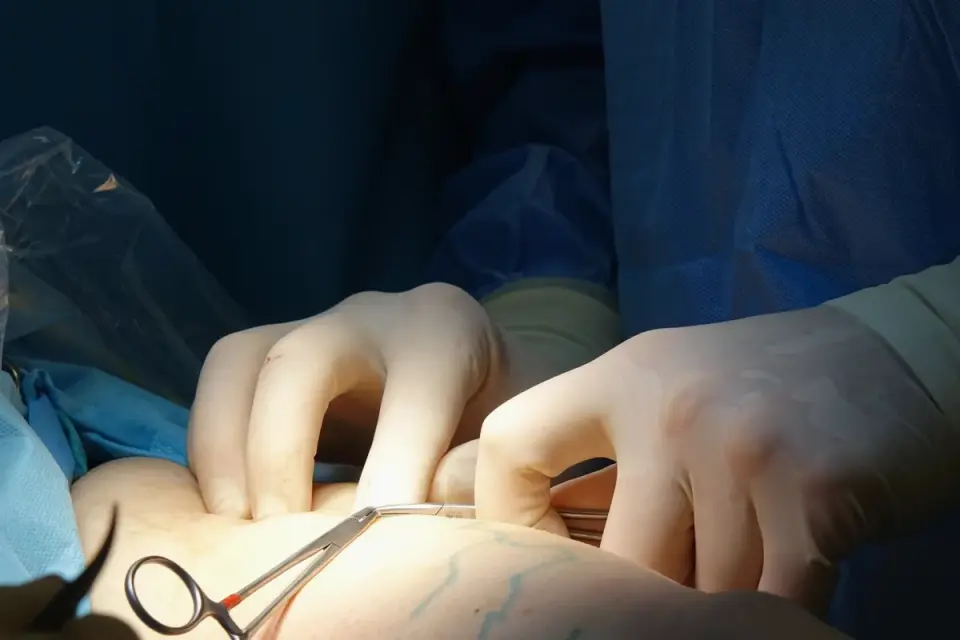
Somewhat. A spay (ovariohysterectomy) is a true abdominal surgery — the surgeon enters the abdominal cavity, and the linea alba (the connective tissue seam down the midline) is the structural layer holding everything closed. A neuter in a male dog is generally less invasive, without entry into the abdominal cavity itself, so the tissue load-bearing the healing is comparatively less. In practice, though, most veterinary guidance — including the recovery timeline from the VCA Animal Hospitals resource above — still recommends the same general 10-to-14-day restriction window for both, partly because incisional complications (swelling, seroma, self-trauma from licking) can occur regardless of which procedure was done, and partly because it is simpler and safer for owners to follow one consistent rule.
Body size and age matter more than most owners expect. A large, young, high-drive dog — the sixty-pound Labrador from the opening, or any adolescent retriever, shepherd, or pit-mix type — generates far more force per jump or sprint than a small senior dog recovering from the same procedure, and in my experience these are exactly the dogs most likely to need a second look at recheck because they simply could not stay still enough at home. If you have a young, high-energy breed, it is worth being more conservative, not less, about confinement in that first week.
What if my dog already ran, jumped, or played rough before the two weeks were up?
Watch the incision closely for the next 24 to 48 hours: new swelling, redness spreading outward, any gap in the skin edges, discharge, or the dog suddenly licking at a site it had left alone are all reasons to call your veterinarian rather than wait for the scheduled recheck. Most single incidents of overexertion do not cause a problem, but a dog that fully sprints or takes a hard fall in week one is a legitimate reason for an earlier exam, not something to just monitor at home.
For readers building out a broader mobility routine once a dog is fully cleared, our testing methodology explains how we evaluate joint-support products for dogs returning to activity after surgery or injury, which is a separate question from the immediate post-op restriction covered here.
Frequently asked questions
How soon after spaying can a dog go for a normal walk?
Short, slow leash walks for bathroom breaks are typically fine within the first few days, but longer or brisk walks generally wait until your veterinarian confirms the incision is healing well at the recheck exam, usually around day 10 to 14.
What happens if my dog runs too soon after being neutered?
The most common risk is that the incision reopens, swells, or develops a seroma (a pocket of fluid) beneath the skin, since the deeper tissue layers haven't yet regained enough strength to tolerate sudden, forceful movement.
Is the exercise restriction different for female dogs than male dogs?
A spay is a true abdominal surgery with more structural healing to protect, while a neuter is generally less invasive — but most veterinarians still recommend the same 10-to-14-day restricted-activity window for both.
Sources
- Exercise Restriction in Dogs — VCA Animal Hospitals
- Post-Surgical Care for Dogs Following a Spay or Neuter — American Kennel Club