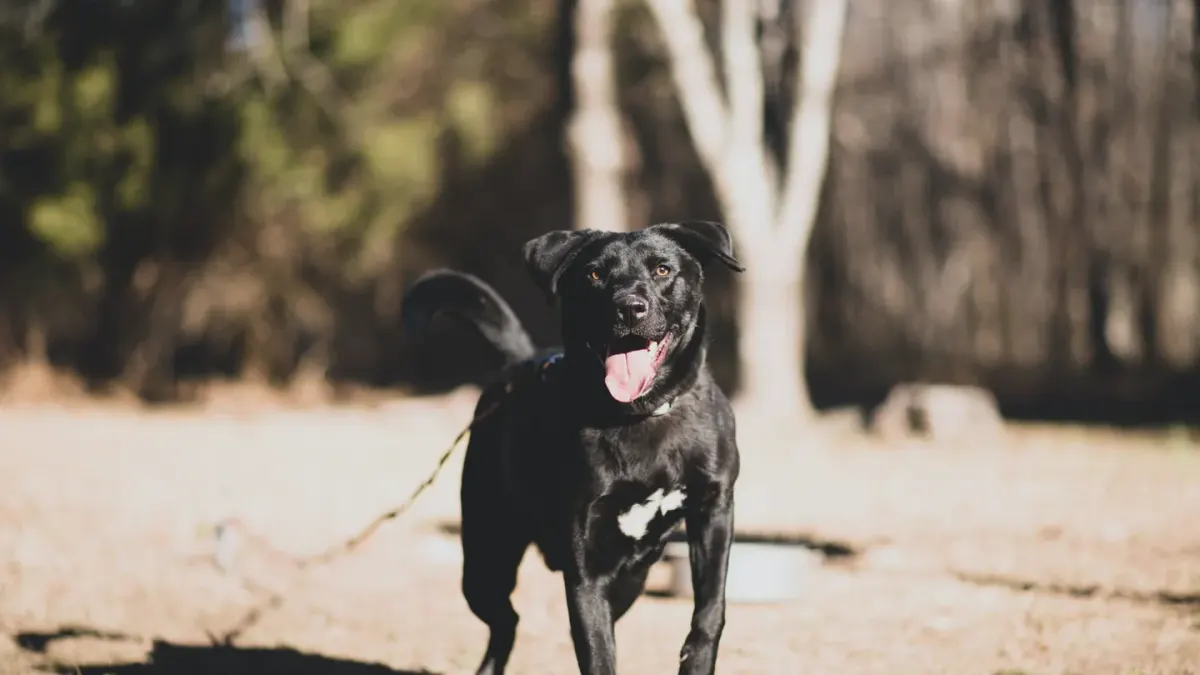
Tuesday at 6 a.m. is quiet enough to think. I watched a 6-year-old, 68-pound Labrador mix lock up at 40 yards from another dog, hackles up, then redirect into frantic sniffing in the grass. His owner wanted a plan that didn’t require dog friends, daycare, or apologies. That’s the decision this week solves: how to replace chaotic social exercise with solo work that still tires the body and settles the brain.
My verdict is direct: anchor the week in daily nasal work and controlled strength, not mileage. A dog that can’t greet can still walk, climb, pull lightly, balance, and swim alone. That mix may help support whole-patient mobility and recovery better than one long weekend hike.
The solo-week checklist I use first
- Walk apart, not less: 4–6 short leashed walks, no on-leash greetings
- One sniff-first session daily: 15–20 minutes on a 15-foot long line
- Two strength days: ramps, sits-to-stands, cavaletti poles
- One aerobic solo day: bike-jor alternative, fetch in a fenced field, or swimming
- One full decompression day: chewing, licking, food therapy puzzles
- Track recovery: stiffness the next morning means you overshot
- Feed for the work: weigh food for mobility and recovery, don’t just add treats
For more background on rebuilding after time off, I point owners to Exercise and Rehab Basics After IVDD or a Back Injury and for flare days to How to Modify Exercise When Your Dog’s Arthritis Flares Up.
Solo doesn’t mean soft: what the week actually looks like
Monday, Wednesday, Friday, Saturday are movement days. Tuesday and Thursday are strength plus nosework. Sunday is off. Each walk starts with five minutes of sniffing before any brisk pace, because a reactive nervous system doesn’t learn when it’s already over threshold.
I don’t chase distance. I chase clean movement, loose leash, and a dog that can settle within 10 minutes at home. If you’re adding work for weight control, use the same ramp rule from How to Gradually Increase a Dog’s Exercise for Weight Loss — add about 10% total time per week — and keep one full rest day.
That’s a short paragraph break worth keeping: fatigue without social fallout is the goal.
The failed version is common. A 4-year-old, 42-pound cattle-dog mix came to me after three weeks in of indoor ball-chucking down a hallway for an hour a night. The owner was trying to avoid other dogs by never going outside. By week three the dog was jumping higher, sleeping less, and limping for five minutes after rest. No contact, but also no sniffing, no turning, no braking, no strength. Repetitive sprint-and-skid on slick floors had replaced fitness. We scrapped the hallway, moved fetch to grass twice a week, added ramp walks and three 8-repetition sit-to-stand sets, and the morning stiffness eased. Solo exercise still needs variety.
Where joint nutrition fits, honestly weighed
I’m an integrative nutritionist at heart, so I weigh what a supplement can realistically do for diet, mobility, and recovery. Food and training load do most of the work. Supplements don’t replace distance control or body condition, but they may help support the joint environment around that work.
Glucosamine and chondroitin are among the most studied joint support ingredients for dogs, and that history matters when I read labels. The lab-bench question is simple: is the dose on the label close to what was researched, is there a COA, and does the dog actually eat it every day.

What does that mean in practice? Chondroitin research described in Frontiers in Veterinary Science reports it “supports healthy synovial fluid homeostasis,” which is structure/function language for the joint environment, not a pain claim. Glucosamine work summarized in the Journal of Veterinary Medical Science found it “prevent experimentally induced cartilage degradation in vitro,” which tells us about mechanism, not that a chew fixes arthritis. Green-lipped mussel data in Nutrients noted that “BMO, GMO, and KO all alleviated paw swelling in rats and reduced serum levels of rheumatoid factor (RF), anti-cyclic citrullinated peptide (anti-CCP) antibody, and pro-inflammatory cytokines such as TNF-α and IL-17.” That’s rodent data, and I don’t extrapolate it to your dog’s limp.
The strongest counterargument is fair: none of these replace weight management, rehab, or veterinary care for a truly lame dog. I agree. I still include a well-made joint supplement in a solo-exercise plan because compliance is high, risk is generally low for healthy dogs, and you’re supporting tissues you’re deliberately loading with hills, ramps, and swimming. Weigh the dose against the research, feed a complete diet first, and don’t expect a chew to cover for a 20% overweight body.
Cold months test this plan most. See How to Exercise a Dog in Cold Weather Without Wrecking Their Joints before you move strength work onto ice or salted sidewalks.
The sample week for a dog that skips the dog park
Monday: 25-minute sniff walk + 10 minutes cavaletti poles at elbow height spacing. Tuesday: 20-minute ramp and sit-to-stand circuit, 3 rounds. Wednesday: solo swim or long-line field exploration, 30 minutes. Thursday: nosework — 6 hides in the yard, plus 15-minute loose-leash walk. Friday: interval walk, 2 minutes brisk / 3 minutes sniff x 5. Saturday: fenced fetch or flirt pole, 15 minutes with warm-up and cool-down. Sunday: chew, frozen Kong, massage.
Here’s the edge case owners miss. An 11-year-old, 55-pound Golden who hadn’t seen another dog in months started the plan well, then by day 10 she was slow to rise after the Saturday fetch session, taking 12 seconds instead of her usual 4. No yelp, just careful. The issue wasn’t reactivity, it was recovery capacity. We cut Saturday fetch to swimming only, split the Friday walk into two 15-minute walks, and kept strength at body weight only. Older solo dogs don’t need other dogs, but they do need shorter bouts and a real day off. If stiffness lasts more than 24 hours, or lameness appears, stop and call your vet.
You’ll know the plan’s working when the leash stays loose at 30 feet from a trigger and the dog chooses sniffing over staring.
Frequently asked questions
How do I tire out a dog that can't play with other dogs?
Replace social play with sniffing, strength, and one solo aerobic session. A 20-minute sniff walk plus short training often settles a reactive dog better than a long march past triggers.
Is swimming good for a reactive dog that needs joint-friendly exercise?
Yes, solo swimming in a controlled pool or quiet shore is excellent for fitness without dog contact, with a warm-up walk and close supervision. Stop if the dog pants heavily, shivers, or moves unevenly.
Should I still use joint supplements if my dog is just avoiding other dogs?
They don't replace training or weight control, but glucosamine, chondroitin, and green-lipped mussel are widely used to support the joint environment during an active plan. Pick a labeled dose you'll feed daily and review it with your vet.
Sources
- Synovial homeostasis study — Frontiers in Veterinary Science
- In vitro cartilage study — Journal of Veterinary Medical Science
- Mussel oil inflammation study — Nutrients