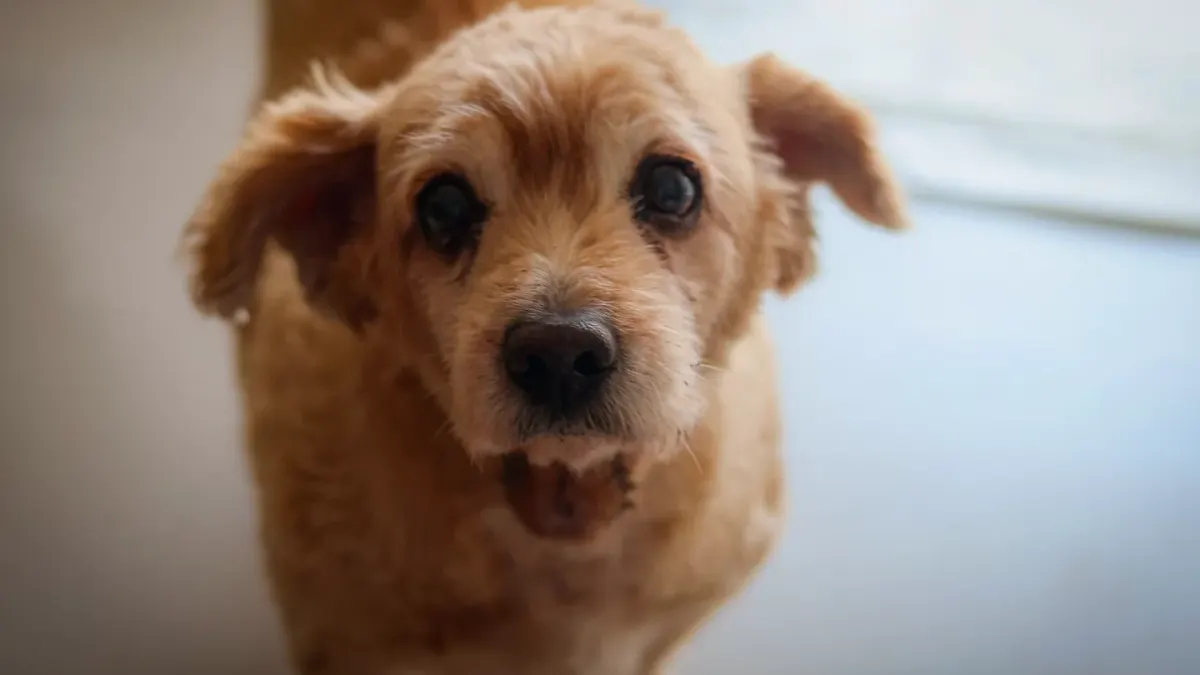
The leash used to mean fireworks. Now the 13-year-old Beagle mix sits at the mat, watches you jingle it, and lowers herself back down with a sigh. It is not stubbornness. In my experience that refusal is data, and the decision process starts by weighing what a supplement can realistically do for diet, mobility, and recovery against what needs hands-on veterinary care.
My working verdict: assume discomfort until proven otherwise, shorten the walk, and book the exam. Most walk refusals in senior dogs trace to joint stiffness, muscle loss, or low-grade pain rather than attitude. Supplements may help support normal joint structure, but they do not replace diagnosis, weight management, and a rebuilt movement plan.
Checklist first — what to check before the next walk:
- Refusal pattern: stops at the driveway vs. quits halfway vs. will not rise
- Gait clues: lagging, wide turns, scuffing nails, sitting down mid-route
- Recovery lag: stiff that evening, slow to rise the next morning
- Body condition: ribs hidden, waist lost, thigh muscle flattened
- Red flags for same-day vet care: sudden non-weight-bearing lameness, crying out, back pain, dragging knuckles, heavy panting at rest
That 13-year-old, 28-pound Beagle mix made the decision concrete for her owner last fall. For three weeks she trotted to the mailbox and then planted her feet, tail low, looking back at the house. Her owner first read it as boredom with the same loop. By day 10 of a walk log — distance, sit-downs, time to rise afterward — the pattern was obvious: 0.3 miles was fine, 0.6 miles meant a two-minute lie-down and a stiff evening. That number changed the question from motivation to joint comfort and conditioning.
Read the refusal like a lameness exam
Dogs rarely fake a walk refusal. Look for the small tells I use cage-side: hesitation on the first three steps, reluctance on stairs or curbs, lagging behind on a familiar route, and choosing carpet over hardwood. For more detail on those early signs, see Signs a Senior Dog Is Hurting During Walks.
Shorten the loop before you cancel the walk. Ten minutes on soft, level ground preserves muscle better than zero minutes plus a weekend hero walk. Keep the leash loose, let the dog set pace, and count sit-downs rather than miles.
Pain is not the whole story. Fading vision, cognitive change, cardiac fatigue, and sore feet can all look like quitting.
Why joints and muscle quit before attitude does
Aging cartilage, thinner synovial fluid cushioning, and weaker hind-limb muscle turn a normal walk into effort. Glucosamine and chondroitin are among the most studied joint support ingredients for dogs, and that history is why I still weigh them first when the diet needs joint support — not because they rebuild a joint overnight.
To ground that choice, Frontiers in Veterinary Science reports chondroitin work described as “supports healthy synovial fluid homeostasis,” which fits how I think about daily comfort: nutrition may help support the joint environment, while movement and body weight do the mechanical work.
Laboratory work adds context without overstating it. The Journal of Veterinary Medical Science summarizes glucosamine HCl research as “prevent experimentally induced cartilage degradation in vitro,” a bench finding — useful for ingredient literacy, not proof of a pain-free walk.
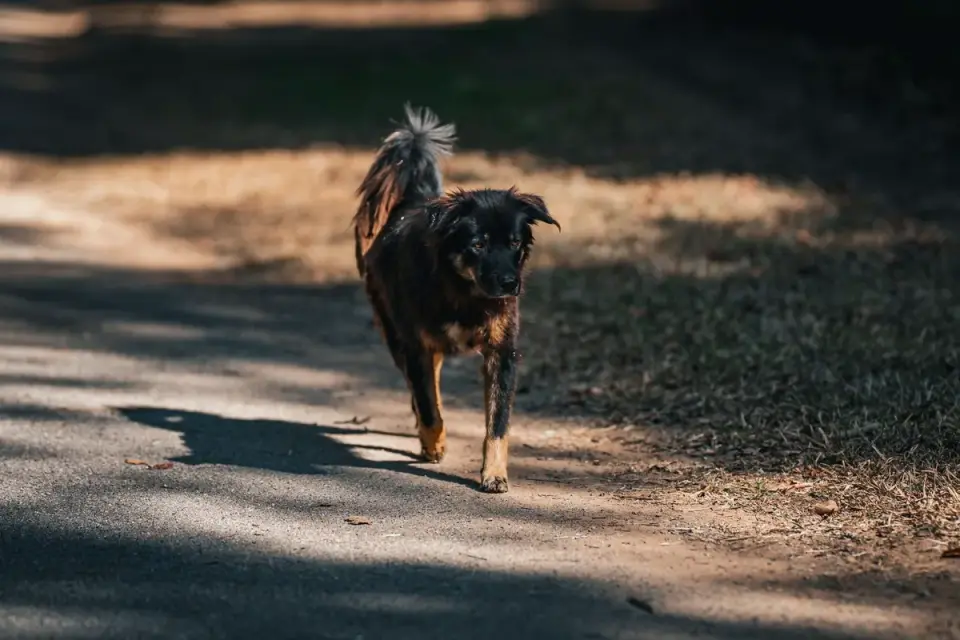
The failed approach I see most often is the supplement-only reset. An 11-year-old, 72-pound Labrador kept skipping the evening loop, so his family doubled his chew and kept the same 2-mile route. By week three he was slower, not stronger — the dose was doing what a food ingredient can do, but the workload still exceeded his hind-limb strength. When they cut the walk to two 10-minute outings, added a ramp to the car, and focused on lean body weight, his sit-downs dropped from four to one per loop. Weigh what a supplement can realistically do for diet, mobility, and recovery: it may help support normal cartilage and joint function, but it cannot offset excess pounds or lost muscle.
Green-lipped mussel sits in that same support category. Nutrients notes that “BMO, GMO, and KO all alleviated paw swelling in rats and reduced serum levels of rheumatoid factor (RF), anti-cyclic citrullinated peptide (anti-CCP) antibody, and pro-inflammatory cytokines such as TNF-α and IL-17.” That is rodent and mechanistic data with mussel-derived oils, so I read it as ingredient background — Green-Lipped Mussel contains omega-3 fatty acids and glycosaminoglycans that have been studied for joint support — rather than a reason to expect a longer walk next week.
Muscle matters as much as cartilage. Read How to Keep a Senior Dog’s Muscles From Wasting Away before you add distance.
Rebuild the walk instead of forcing it
Start with veterinary clearance, especially if there is lameness, behavior change, or nighttime restlessness. Then reset the baseline: flat, soft surface, 5–10 minutes, twice daily, with a warm-up sniff walk.
Support strength at home with low-impact work. I often point families to At-Home Physical Therapy for Dogs: What It Is and When You Need a Rehab Vet and Balance and Proprioception Exercises for Dogs: What Actually Builds Stability once pain is addressed, because controlled weight-shifting preserves the muscle that carries sore joints.
Feed for lean mass. Adequate high-quality protein, appropriate calories for a 4–5/9 body condition score, and omega-3s from the diet are the food-therapy levers I trust most for recovery between walks.
Here is the edge case that changes the plan: the dog who will happily swim, tug, or play in the yard but freezes at the leash. A 9-year-old, 46-pound border collie mix I followed did exactly that — 15 minutes of pool retrieves with easy exits, yet a full stop at the sidewalk by day 14 of tracking. The issue was not stamina. It was the collar pull on a sore neck plus slick entry steps, compounded by evening glare from fading vision. A harness, a ramp, a midday route, and shorter frequency restored the walk. When the context changes the refusal, change the context first.
Talk with your veterinarian about whether a joint-support supplement fits the whole plan.
Frequently asked questions
Why won't my old dog go on walks anymore all of a sudden?
Sudden refusal most often signals pain, injury, or illness — sore joint, paw cut, back/neck pain, or systemic disease — not stubbornness. If your dog cries out, holds up a leg, pants heavily at rest, or cannot rise, call your veterinarian promptly. Log when the refusal happens and what recovery looks like.
Should I force my senior dog to walk?
No. Forcing a painful dog forward risks a fall or a bite and teaches the leash means discomfort. Shorten to a comfortable distance, choose soft level ground, let the dog set pace, and ask your vet to check gait, muscle loss, and pain before you rebuild distance.
Can joint supplements get my senior dog walking again?
Supplements may help support normal joint structure and mobility as part of diet, weight control, and rehab, but they do not diagnose pain or rebuild muscle alone. Glucosamine and chondroitin are among the most studied joint support ingredients for dogs. Use label-directed feeding and reassess walk distance, sit-downs, and morning stiffness with your vet.
Sources
- Chondroitin and synovial homeostasis in dogs — Frontiers in Veterinary Science
- Glucosamine and experimentally induced cartilage degradation in vitro — The Journal of Veterinary Medical Science
- Mussel and krill oils, paw swelling and inflammatory markers in rats — Nutrients