
On this page
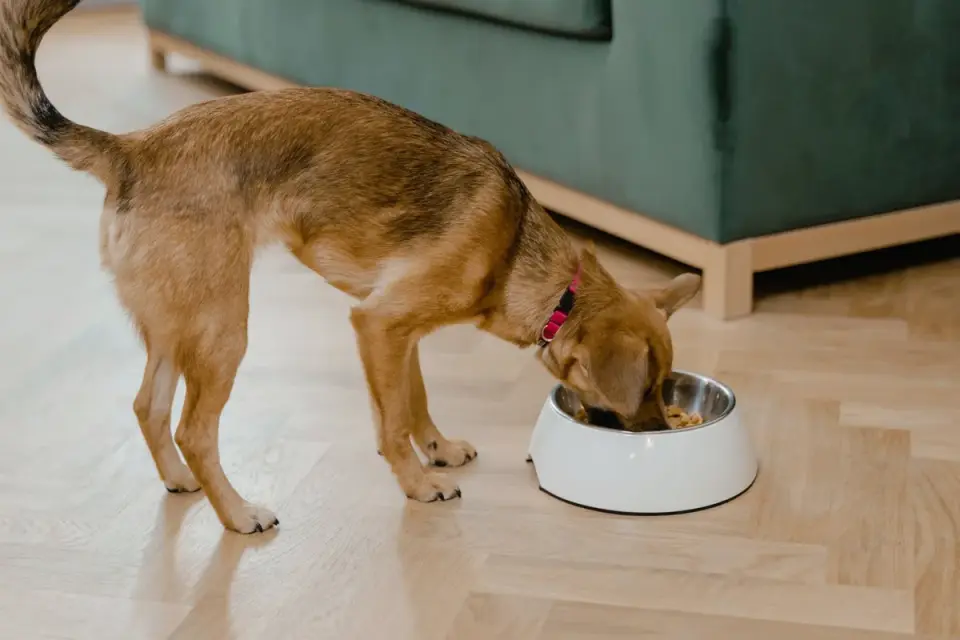
A 6-year-old 48-pound Border Collie mix noses open a pantry bag while her owner answers the door, and by the time the delivery driver leaves she has eaten four sweetened joint chews marketed as low sugar. That is the decision this article makes concrete, whether a palatability sweetener belongs in a product a food-motivated dog can eat in quantity. In a cardiac or ICU setting I separate supportive joint nutrition from treatment of disease, and xylitol sits firmly outside that supportive category because the risk is acute toxicity rather than lack of benefit. Small dogs face higher risk per chew, but any dog that eats several chews at once can cross a concerning threshold.
The minutes after the bag is opened
Dogs absorb xylitol fast, and the pancreas reads it as a glucose signal. Insulin surges, blood sugar falls, and vomiting, weakness, stumbling, tremors, or collapse can follow within 30 to 60 minutes. The mechanism is different from chocolate or grape toxicity, and different from human physiology, where xylitol causes little insulin release. The FDA describes vomiting, decreased activity, staggering, collapse, and seizures as early signs, with liver injury as the delayed concern.
I keep that timeline taped to my mental bench because owners often wait to see if vomiting passes. A 4-year-old 22-pound French Bulldog in a composite ER scenario illustrates the failed tradeoff, the owner induced no action at home, assumed one vomit cleared the problem, and arrived three hours later with a quiet, wobbly dog and a glucose reading already low. Waiting traded a treatable hypoglycemic window for intravenous dextrose, monitoring, and a liver-value watch that could have started earlier. Rapid veterinary care changes that course.
The hours when the liver declares itself
Hypoglycemia is only the first phase. Higher ingested amounts can injure the liver over the next 12 to 72 hours, with lethargy, jaundice, coagulopathy, and elevated liver enzymes. The Merck Veterinary Manual notes that hypoglycemia can appear within 30 to 60 minutes while hepatic necrosis and liver failure may develop later, which is why discharge after a normal morning glucose is not the end of the plan.
This is not a joint-support effect.
Joint ingredients such as glucosamine or omega-3s are evaluated for structure and function, meaning support for cartilage, connective tissue, or normal mobility. Xylitol treatment is emergency medicine, meaning glucose monitoring, dextrose support, liver monitoring, and coagulation support in a hospital.
Reading the chew label before the exposure
Xylitol hides under several names, including birch sugar, birch bark extract, E967, and sugar alcohol blends that list xylitol parenthetically. In treats and dental chews it provides sweetness and texture without sucrose, and in a resealable pouch several chews can contain enough total xylitol to matter. I read the ingredient list, then the guaranteed analysis and feeding directions, the same order I use when I check whether a human product could be shared with a dog.
That cross-check matters because sugar-free gums, mints, peanut butters, and human joint gummies are a common source of confusion. My guide on how to check if a human supplement is toxic to your dog walks through that label screen, and the related piece on adult joint gummies with glucosamine and xylitol risk covers the shared-supplement mistake in detail. The VCA Animal Hospitals resource lists weakness, collapse, staggering, and seizures among reported signs and advises immediate veterinary evaluation rather than home observation.
Dose is weight-based, and published toxic thresholds vary by source and xylitol purity. That variation is why I do not publish a home math formula here.
What to do and what to bring
Call a veterinarian, emergency clinic, or poison control immediately and bring the package, the lot number if visible, the estimated number of chews eaten, the dog’s weight, and the time of ingestion. Do not induce vomiting unless directed, because an already weak or seizing dog can aspirate. The clinic will weigh hypoglycemia treatment against liver monitoring, and the Pet Poison Helpline notes that prompt decontamination and monitoring decisions depend on dose estimate and time since ingestion.
An edge case changes how I counsel owners of large, food-driven adolescents. A 14-month-old 78-pound Labrador mix eats two chews containing a small amount of xylitol blended with sorbitol and shows no signs by day 1, which tempts the owner to cancel recheck bloodwork. I still recommend the recheck plan the clinic sets, because delayed liver changes do not track with how bright the dog looks the next morning and because mixed sugar alcohols make label math unreliable. The label screen I trust most is the one explained in the difference between a Supplement Facts panel and a Nutrition Facts panel for dogs, read ingredient by ingredient rather than by front-of-bag claims.
Manufacturers seeking third-party quality systems can pursue certification through programs such as the one described by the National Animal Supplement Council, but certification addresses quality systems rather than guaranteeing that a formula excludes xylitol. The ingredient list remains the control point.
Safer chew shopping favors products sweetened with nothing, or with dog-appropriate palatants such as meat, liver, or peanut without xylitol, and a clear ingredient list with no birch-derived sweetener. Store chews sealed and out of reach, count chews when a bag is opened by a pet, and keep emergency numbers saved before an exposure forces a search.
Frequently asked questions
How fast does xylitol affect dogs?
Vomiting, weakness, staggering, or collapse can appear within 30 to 60 minutes from insulin-driven low blood sugar, while liver injury may appear 12 to 72 hours later. Any suspected ingestion warrants immediate veterinary contact.
What other names does xylitol use on labels?
Look for xylitol, birch sugar, birch bark extract, E967, and sugar alcohol blends. Check treats, dental chews, sugar-free gum, mints, some peanut butters, and human gummies.
Should I induce vomiting at home?
Only if a veterinarian or poison control directs it. A weak, trembling, or seizing dog can aspirate vomit, and the clinic may prioritize glucose support and monitoring instead.
Sources
- Xylitol Toxicity in Dogs — VCA Animal Hospitals
- Xylitol — Pet Poison Helpline