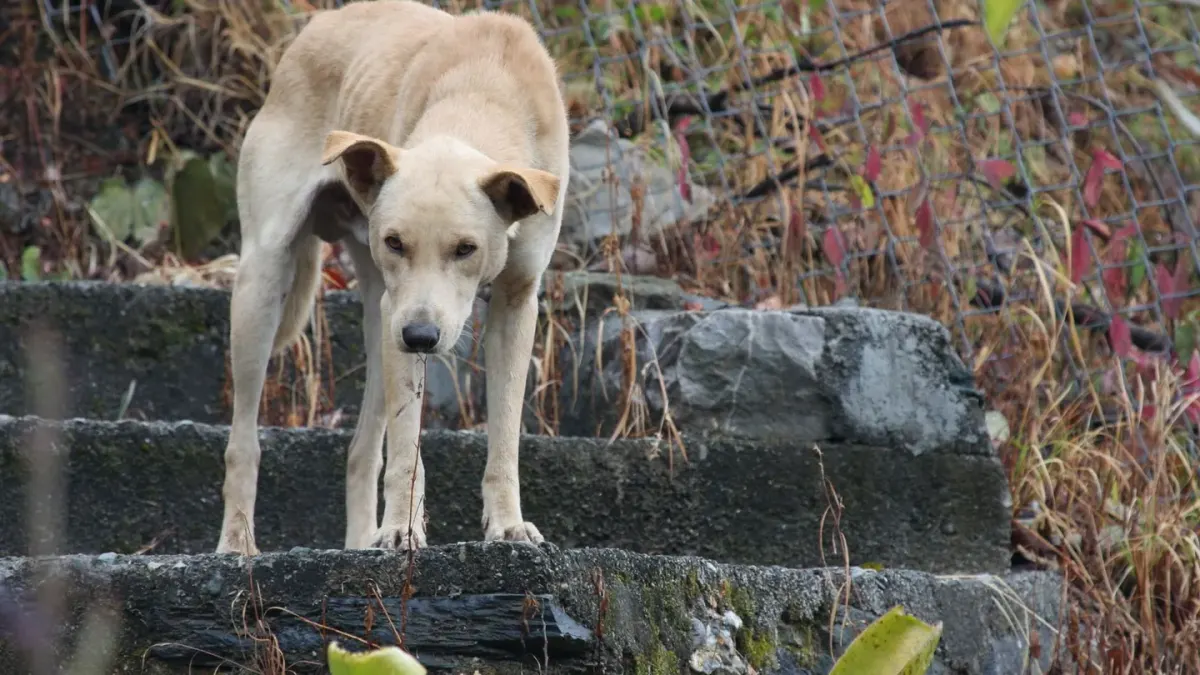
A twelve-week-old Labrador mix trots to the end of the driveway, flops into the grass, and looks up as if the walk broke him, and that flop is the whole lesson for how to build up exercise for a twelve week old puppy. I watched that pattern in a composite training case with a twelve-week-old, 18-pound sporting-breed puppy whose owner wanted a clear mileage rule, and by day 10 the observable marker that changed was not fitness but control — three weeks in, the puppy could settle after five minutes of sniff-walk plus two minutes of garden play without mouthing the leash, while the owner still wanted to add a second loop around the block. The decision in front of us was whether to chase distance or to build repeatable, low-load movement that left the puppy eager for the next session.
My verdict is to build volume through frequency, not duration, and to weigh what a supplement can realistically do for diet, mobility, and recovery alongside that plan rather than ahead of it.
Growth plates explain why frequency wins. Long bones lengthen at open physes, articular cartilage is thick and well hydrated, and synovial fluid distributes load and nutrition across the joint surface during light movement. Short bouts of walking, weight shifting, and sniffing cycle that fluid without sustained compressive load, which supports healthy synovial fluid homeostasis reported in recent joint work published in Frontiers in Veterinary Science. In vitro work has also shown glucosamine can prevent experimentally induced cartilage degradation in vitro, as reported in the Journal of Veterinary Medical Science, and green-lipped mussel fractions have been studied for joint-related pathways, where BMO, GMO, and KO all alleviated paw swelling in rats and reduced serum levels of rheumatoid factor (RF), anti-cyclic citrullinated peptide (anti-CCP) antibody, and pro-inflammatory cytokines such as TNF-α and IL-17 in work published in Nutrients.
That physiology grounds an integrative claim in the nutritional evidence: a complete growth diet does the heavy lifting for cartilage and bone, while ingredients such as glucosamine and chondroitin are among the most studied joint support ingredients for dogs but cannot override too much running, jumping, or stairs.
Why short bouts beat long walks at twelve weeks
Compare a twenty-minute neighborhood march against four five-minute movement snacks spread through the day. The long walk accumulates fatigue, pulling, carrying over thresholds, and hard stops on pavement, while the snacks preserve gait quality and leave room for training, feeding, and sleep. Puppies at this age learn motor patterns quickly and fatigue quickly, so ending before form fades teaches a clean trot, balanced turns, and calm leash manners. For context on age-based volume, see How Much Exercise Does a Puppy Need by Age?.
I learned the tradeoff the hard way in a composite recall case with a four-month-old, 24-pound hound mix living in an apartment with three flights of stairs. The owner tried to tire him with one long evening walk plus fetch down a hallway, and by day 10 the marker that changed was worse, not better — the puppy began cutting corners tightly, bunny-hopping up the last six steps, and lying down mid-walk on day 12 rather than finishing the route. We cut the long walk, moved play to grass, carried the stairs, and split movement into brief leash skills, scatter feeding, and two-minute tug-and-drop games, and within three weeks in the puppy offered a loose leash for the full short loop without planting his feet. The failed approach looked like conditioning but functioned like overload.

How I structure the week without counting miles
Think in textures and tasks, not mileage. Grass, rubber matting, and packed dirt invite varied foot placement, while slick floors, long staircases, and repetitive ball chasing concentrate stress. A useful day holds two to four structured outings of three to eight minutes, plus unstructured exploration in a safe yard, plus two brief body-awareness sessions such as walking over a broomstick on the ground, standing on a couch cushion, or slow cookie lures in a figure-eight. Keep one day lighter after a busier socialization outing.
Progression comes from adding one session before lengthening any session.
Watch recovery between sessions. A puppy ready for a little more wakes readily from naps, moves symmetrically after rest, plays in short bursts with self-chosen breaks, and settles within ten minutes after an outing. Cut back when you see persistent lagging, carrying a limb, sitting out repeatedly, heavy panting long after stopping, or soreness the next morning. Those signs matter more than any chart, and they pair well with gradual-loading principles used for weight-related conditioning in How to Gradually Increase a Dog’s Exercise for Weight Loss.
Where food, rest, and joint support actually fit
Growth formula, measured portions, and body condition score drive skeletal development far more than any chew. Rapid weight gain increases load on developing joints, so ribs should be easily felt under a light fat cover and meals should be weighed rather than scooped. Sleep is training too, with eighteen or more hours of rest in a twenty-four-hour day still normal at this age, and enforced naps prevent the overtired zoomies owners mistake for extra energy.
The strongest counterargument I hear is that starting a joint supplement early must protect a large-breed puppy destined for sport. The evidence does not support that leap, because early data are largely in vitro, rodent, or adult-dog models, and no supplement changes conformation, growth rate, or the mechanics of repetitive impact. I still discuss glucosamine, chondroitin, and green-lipped mussel with owners of at-risk breeds because they are well tolerated in a balanced diet context and Green-Lipped Mussel contains omega-3 fatty acids and glycosaminoglycans that have been studied for joint support, yet I frame them as may help support whole-patient health rather than as joint insurance.
A later edge case sharpened that boundary for me in a composite case with a two-year-old, 62-pound adult dog sharing a house with a new twelve-week-old, 14-pound terrier mix. The owner wanted joint exercise for both together, and three weeks in the marker that changed was the puppy sprinting to match the adult for a full block, then sleeping through two meals and waking stiff behind. We separated the programs entirely, giving the adult sustained aerobic work while the puppy kept brief social walks and parallel sniff time from a carrier or wagon for the second half, a split strategy detailed in How to Exercise Multiple Dogs at Once (Without Wrecking a Joint). Cold months add a similar wrinkle, since warm-up matters even for short outings, as outlined in How to Exercise a Dog in Cold Weather Without Wrecking Their Joints.
Your next step is practical: keep a three-line log for seven days noting minutes, surface, and settling time, then add only one short session next week if settling stays clean.
Frequently asked questions
How long should a twelve-week-old puppy walk?
Most do well with 3 to 8 minutes of structured walking, two to four times daily, plus free sniffing and play, ending while gait and manners stay clean.
Can I run or play fetch to tire my puppy?
Skip sustained running and repetitive fetch at this age. Choose sniff walks, gentle exploration, and brief training games on forgiving surfaces.
When should I add more exercise?
Add one short session first. Lengthen a session only when the puppy recovers quickly, moves symmetrically after rest, and settles within about ten minutes.
Sources
- Chondroitin synovial homeostasis study — Frontiers in Veterinary Science
- Glucosamine cartilage in vitro study — Journal of Veterinary Medical Science
- Mussel fractions inflammation rat study — Nutrients