On this page
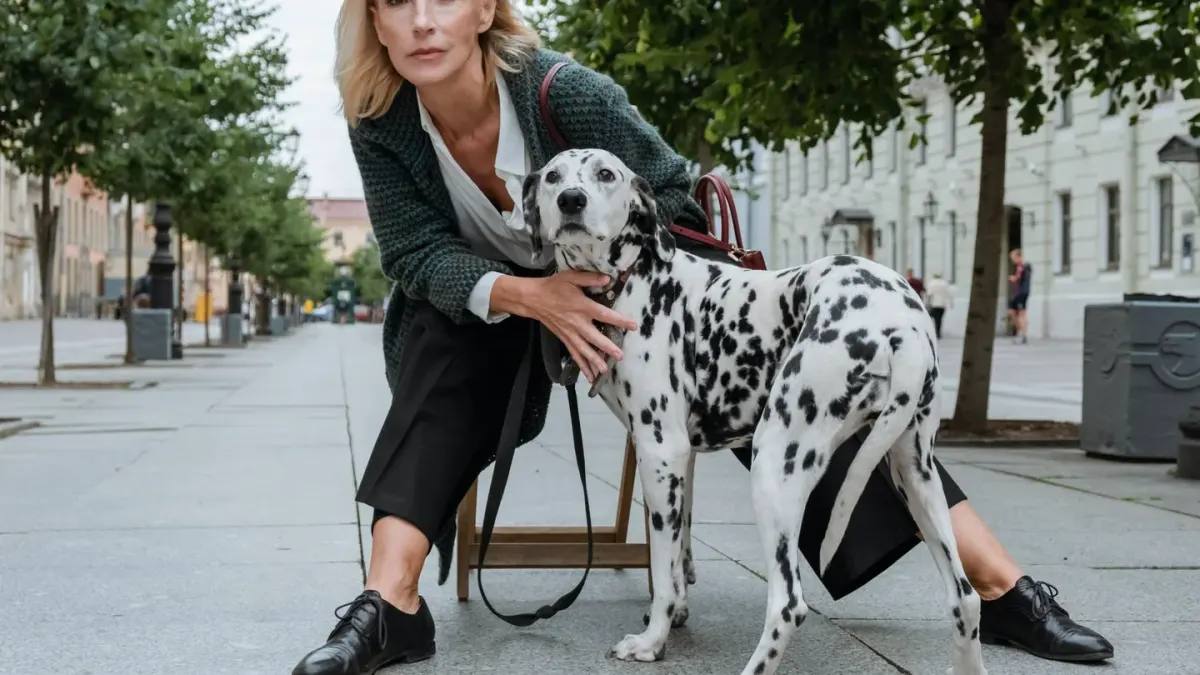
A common question is whether that 6 p.m. dinner bowl means the 6 p.m. walk has to wait. Last spring I talked through this with an owner of a 4-year-old, 92-pound Great Dane who inhales two cups of kibble in under three minutes, then spins at the door to go out. She lived in a third-floor apartment with no yard, so skipping the post-dinner outing was not realistic. She wanted to know if a 15-minute street walk to urinate and sniff would twist his stomach, and what a safer evening sequence actually looked like for a deep-chested breed.
The short answer I gave her still holds: gentle walking after eating does not cause bloat by itself, but vigorous exercise right after a large meal is worth postponing.
My position: feed first, then do a calm 10- to 20-minute leash walk for elimination and sniffing, and hold hard running, fetch, wrestling, and hill sprints for at least 60 to 90 minutes — longer after a very large meal. That weighs what management can realistically do for diet, mobility, and recovery: you preserve daily movement and gut motility without stacking full-stomach mechanical stress on top of heavy panting and gulped air.
- Keep it calm for 60-90 minutes after eating: walk, don’t run
- Split large meals when you can, and avoid elevated arousal at the bowl
- Know deep-chested, large-breed risk, and know GDV signs cold
- Water in normal amounts is fine; limit frantic gulping and post-meal zoomies
- When in doubt, walk before the meal and use post-meal time for sniffing only
The calm-after-food checklist I actually use
For most pet dogs, digestion and light mobility work better together than owners expect. A slow walk may help support normal gastrointestinal transit and a normal recovery routine, while hard exercise diverts blood flow, increases abdominal jostling, and often involves panting and air swallowing. Food therapy thinking applies here too: smaller, calmer meals are easier to process than one huge, exciting, gulped meal followed by sprinting.
Use this sequence: offer food in a quiet spot, let the dog settle 5-10 minutes, leash up for a flat, sniffy elimination walk, then rest with water available. Save the real workout for later, when the stomach has had time to empty.
That Dane owner shifted to two smaller meals, a 12-minute down-the-block loop on a loose leash, and fetch moved to 90 minutes after dinner. By day 10 she reported less pacing and belching, and the evening walk stopped feeling like a gamble.
Why bloat worries owners, and what actually raises risk
Gastric dilatation-volvulus, or GDV, is a rapid enlargement and twisting of the stomach that cuts off blood flow. It is an emergency, most reported in large, deep-chested breeds such as Great Danes, German Shepherds, Standard Poodles, and Weimaraners. According to VCA Hospitals, risk relates to anatomy, feeding practices, and behavior patterns, not to a single walk around the block.
The Merck Veterinary Manual describes GDV as multifactorial, with large meal volume, rapid eating, and agitation discussed as contributing context. That matters because the strongest counterargument I hear is reasonable: “If exercise after eating is risky, shouldn’t we crate for two hours after every meal?” Strict rest sounds safer, but it trades away elimination needs, increases anxiety in some dogs, and has not been shown to prevent GDV on its own. I still land on calm movement because total risk is driven more by breed, chest conformation, meal size and speed, and stress than by a slow walk itself.
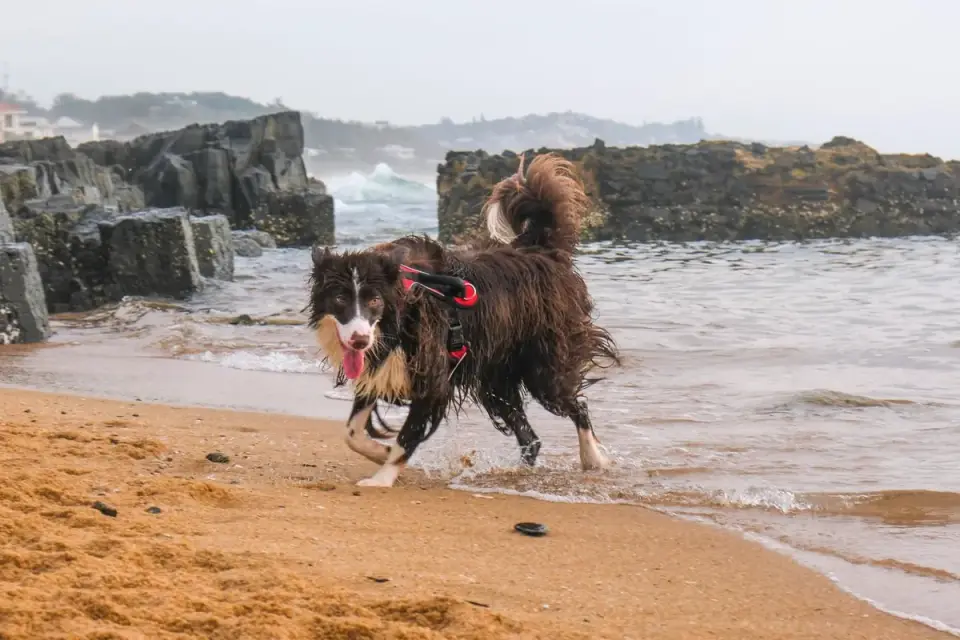
A second scenario shows where owners get tripped up. A 7-year-old, 68-pound Labrador Retriever used to get one large bowl at 7 a.m., then 30 minutes of chuck-it fetch at 7 a.m. before work. Three weeks in to that new schedule he started vomiting foam after sprinting, lying down mid-game, and coming home with a drum-tight belly that slowly softened. His owner assumed more exercise would “work the food through.” We flipped it: half the breakfast before a 10-minute leash walk, the rest in a puzzle feeder after, and fetch moved to the evening. The post-meal distress stopped, but his conditioning slipped until we added a separate pre-dinner run.
How long to wait before running, playing, or training hard
There is no single studied minute-count that guarantees safety. My practical cutoffs, grounded in how GDV is managed and described by surgeons:
For a normal-sized meal: 60 minutes before off-leash running, agility, fetch, swimming for exercise, or intense tug and wrestling. For a very large meal, a gulped meal, or a high-risk breed: closer to 90 minutes, sometimes two hours. Puppies and seniors follow the same logic, with extra attention to trip hazards, heat, and orthopedic load — see How Long Should a Dog Walk Be? A Vet’s Age-by-Age Breakdown and How Much Exercise Does a Puppy Need by Age?.
A slow 10-minute walk is different from exercise. If your dog needs to eliminate, go. Keep the leash loose, avoid hills and stairs for rehab cases, and skip retractable-leash sprinting. For dogs managing multiple walkers or joint issues, How to Exercise Multiple Dogs at Once (Without Wrecking a Joint) has useful pacing tactics that also keep post-meal arousal low.
What about water and raised bowls? Allow normal drinking. Discourage long, frantic gulping during heavy panting. Raised feeders have not proven protective in the way owners once hoped, so I do not recommend adding one just for bloat prevention.
The edge case that changes the plan
Not every dog fits the standard wait. A 9-year-old, 44-pound Border Collie mix with prior gastropexy came to me because her owner was still afraid to walk her at all after dinner. Six months after surgery she would hold urine for hours, pace, and whine if kept crated post-meal. Her surgeon had explained that gastropexy lowers twisting risk but does not prevent gas distension, so vigilance still mattered. We built a compromise: a five-minute quiet yard trip on leash immediately after eating, then couch rest for 75 minutes, then the longer walk. By week two her nighttime restlessness eased and she urinated normally without evening accidents.
Dogs with heart disease, collapsing episodes, or post-surgical restrictions need individualized timing. If exercise itself is in question, work through Can a Dog With a Heart Murmur Exercise? A Vet’s Decision Checklist with your veterinarian before worrying about meal timing.
Call emergency care immediately for unproductive retching, rapidly enlarging abdomen, restlessness with drooling, pale gums, or collapse. The American College of Veterinary Surgeons emphasizes GDV as a surgical emergency where minutes matter — no home timing trick replaces rapid treatment.
So should you walk after eating? Walk yes. Race no.
Frequently asked questions
Is it safe to walk a dog after eating?
A calm 10- to 20-minute leash walk for sniffing and elimination is generally fine. Postpone running, fetch, and rough play for 60-90 minutes after a meal, longer after a very large meal or in high-risk breeds.
Does walking after eating cause bloat (GDV)?
A slow walk alone has not been shown to cause GDV. Bloat risk is multifactorial, with breed, chest conformation, large or rapidly eaten meals, and stress playing larger roles. Vigorous exercise on a full stomach is still prudent to avoid.
How long should I wait to run my dog after eating?
Wait at least 60 minutes before hard running or intense play, and 90 minutes to 2 hours after a very large meal or for deep-chested, high-risk breeds. When in doubt, exercise before the meal.
Sources
- Bloat: Gastric Dilatation and Volvulus in Dogs — VCA Hospitals
- Gastric Dilatation-Volvulus — American College of Veterinary Surgeons