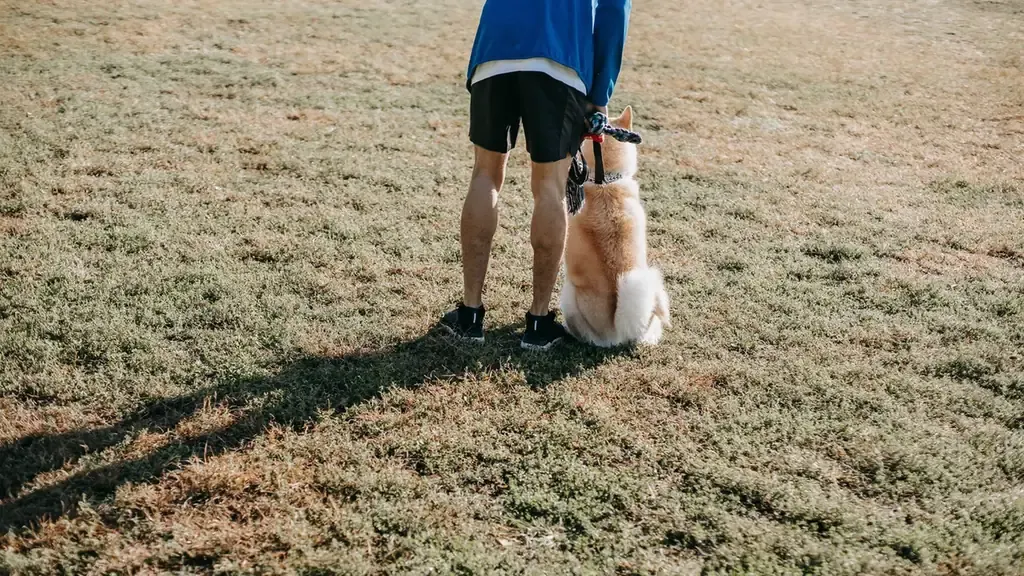
A seven-year-old, 68-pound Labrador mix stands at the back door three weeks after her cruciate tear, tail beating against the frame, ready to resume her old mile loop. Her owner is torn between strict crate rest and letting her burn off energy, and that tension is exactly where cruciate recovery succeeds or slips. I start every case there, because the plan that protects healing tissue still has to be livable for the dog in front of you.
My position is direct: controlled, low-impact exercise beats prolonged total rest for most cruciate recoveries, once your veterinarian clears movement. Rest protects the joint early, but measured leash walks, weight shifting, and later hydrotherapy may help support mobility and whole-patient health better than stillness alone. The strongest counterargument is real — too much motion too soon can irritate the joint and set back healing. I still land on early controlled motion because disuse atrophies muscle fast, and muscle is what will ultimately stabilize that stifle.
The cruciate recovery checklist I use
- Veterinary clearance first, then short leash walks only — no stairs, jumping, or off-leash play
- Flat, grippy surfaces with harness and non-slip rugs at home
- 5-minute walks, 2–3 times daily to start, adding time only if no lameness the next morning
- Sit-to-stands, weight shifts, and cavaletti poles only when prescribed
- Water work or underwater treadmill only through a rehab facility
- Track weight, muscle symmetry, and next-day soreness in a log
- Weigh what joint nutrition can realistically do alongside rehab and diet
By day 10 after diagnosis, that same 68-pound Lab had lost visible thigh muscle on the injured side. Her owner had done everything right on paper — strict rest, carried her down three porch steps — yet the dog was stiffer getting up, not looser. That is the tradeoff I see with rest-only plans. Immobilization calms pain signals short-term while quadriceps and gluteals shrink, and a weaker hind limb loads the cruciate and the opposite knee harder when activity resumes. When we replaced one long rest day with three 5-minute leash walks on flat grass plus cookie-stretch weight shifts, her morning rise time shortened by the end of week three. Narrative is not evidence, but it makes the decision concrete: protect the ligament without sacrificing the muscle that guards it.
How I stage movement after a cruciate tear
Early phase is about circulation and control, not fitness. Think brief bathroom walks on a 6-foot leash, slow pace, straight lines, frequent turns avoided. I like carpeted hallways or mowed grass over slick floors or hills. If your dog drags or gets more lame that evening or the next morning, you overshot — cut the next walk in half.
Middle phase adds strength. Once your veterinarian approves, add gentle sit-to-stand repetitions, three-second standing weight shifts, and step-overs over a broom handle on the ground. Keep sessions short and reward calm weight bearing. For dogs that race through exercises, food lures and a wall on one side keep the spine straight and the stifle tracking.
Later phase restores endurance. Longer flat walks, gentle inclines, and supervised water work fit here. For conditioning ideas that avoid boom-and-bust weekends, the principles in Weekend Warrior Syndrome: Why Weekend-Only Exercise Hurts Dogs apply directly — consistency beats heroic Saturday mileage.
A four-year-old, 42-pound border collie mix taught me how a good plan fails. By week five he was toe-touching well, so his owner added ten minutes of fetch in a wet backyard because he “looked ready.” The next morning he was three-legged lame, and we lost two weeks of progress to calm the flare. That failed approach complicates my recommendation for early motion: owners hear motion is good and scale volume too fast. Fetch, tug, dog-park wrestling, and stairs load the cranial cruciate with shear and rotation, exactly what healing tissue cannot handle. Controlled does not mean easy — it means measured leash distance, level footing, and no sudden pivots.
What to skip, and what to watch daily
Skip off-leash activity, ball chasing, jumping into cars, slippery tile sprints, and long hikes until cleared. Even well-meaning help like carrying a 70-pound dog awkwardly can torque the back, so use a ramp and belly sling instead.
Watch three markers. First, lameness score 60 minutes after exercise and again next morning. Second, swelling or heat around the stifle. Third, behavior — lagging, sitting out, or heavy panting on a walk that was easy yesterday. If two walks in a row trigger a limp, drop back to the prior level for three days and call your clinic. Dogs compensating for months often overload the other knee, so track both hind limbs, not just the injured one.
Nutrition sits beside rehab here, not ahead of it. I weigh what a supplement can realistically do for diet, mobility, and recovery by reading the label, checking dose against body weight, and keeping expectations within structure and function. Glucosamine and chondroitin are among the most studied joint support ingredients for dogs, and recent work notes chondroitin “supports healthy synovial fluid homeostasis” as reported in Frontiers in Veterinary Science. Laboratory work also found glucosamine could “prevent experimentally induced cartilage degradation in vitro” according to the Journal of Veterinary Medical Science. That may help support joint flexibility and mobility during rehab, alongside weight control and physical therapy — it does not rebuild a torn ligament.
An eleven-year-old, 54-pound beagle mix with arthritis in both hips plus a partial cruciate tear changed how I apply the standard template. She could not tolerate even 5-minute walks by day 14 without sitting down, not from knee pain but from hind-end fatigue and a slick kitchen floor. The edge case was traction and comorbidities, not the knee alone. We moved her walks to indoor carpet circuits, added yoga-mat runways, trimmed nails, kept her at a lean 52 pounds, and borrowed the gradual-loading logic from How to Gradually Increase a Dog’s Exercise for Weight Loss. Her usable walk grew from two minutes to eight minutes over four weeks. For older or multi-joint dogs, surface and body condition often matter more than adding another exercise.
Building a week that holds together
A practical next step is to write the week on paper. Block two to three short walks daily, one five-minute strength slot, and one full rest check-in. Increase only one variable per week — either minutes or difficulty, never both. Keep nails short, weight lean, and bedding supportive. If progress stalls for more than seven days, ask for a rehab referral rather than pushing through.
The goal is not a fast return to sport. It is a straight, comfortable limb that muscles protect every day.
Frequently asked questions
How long should leash walks be after a cruciate injury?
Most dogs start with 5-minute slow leash walks 2–3 times daily once cleared, then add a few minutes per week only if there is no increased lameness the same evening or next morning.
Is swimming good for cruciate recovery?
Supervised hydrotherapy or underwater treadmill can reduce joint loading while building muscle, but only start with veterinary or rehab approval and avoid uncontrolled swimming with jumping, twisting, or exhausted exits.
Should my dog do stairs or hills during recovery?
Avoid stairs, steep hills, jumping, and off-leash play early on. Add gentle inclines much later if your veterinarian approves and the dog stays sound the next day.
Sources
- Synovial homeostasis study — Frontiers in Veterinary Science
- Cartilage degradation in vitro study — Journal of Veterinary Medical Science