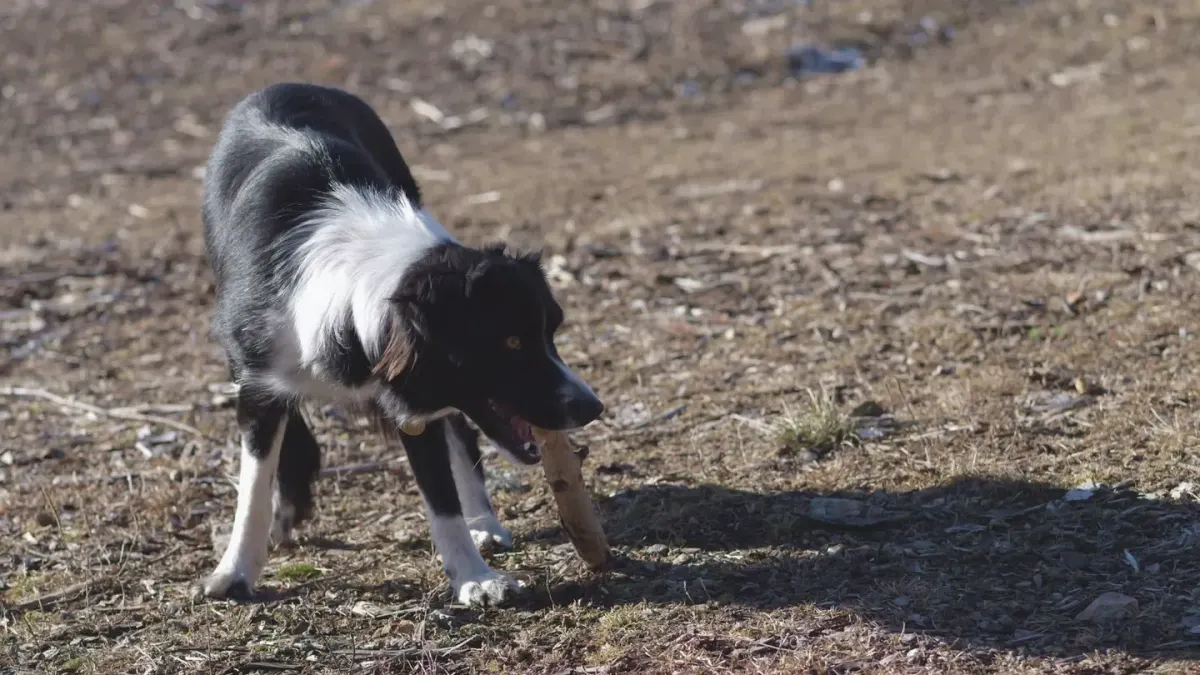
Watch an older dog try to rise on a slick kitchen floor and you learn more in five seconds than any strength chart will tell you. The front end pulls, the rear paws slide, the hips hitch once before the dog finally locks upright. That wobble is the reason I still start most hind-end programs with sit-to-stand work. It trains the exact pattern the dog needs all day.
Early in practice I worked with a composite case that still shapes how I teach this: a 9-year-old, 78-pound Labrador mix who could walk a half-mile but needed two tries to get off his bed in the morning. His owner worried about hips, which was fair, but what I saw was weak quadriceps and glutes and a habit of dragging himself up with his shoulders. We set a baseline of five lured stands on carpet, filmed from the side, and by day 10 his sit had shifted from a sloppy, splayed side-sit to a square tuck. That number mattered less than the shape change.
What a clean rep actually looks like
Ask for a square sit first. Paws under hips, hocks flexed, spine long, weight even left to right. Lure the nose slightly up and back so the rear loads, then cue up into a stand without letting the dog walk forward. Reward in the standing position.
Do the opposite of what most videos show. Keep the lure close to the muzzle. Send the dog forward and you turn a strength rep into a shuffle. Keep the surface grippy and the head level, and watch the stifles. If one knee dives inward or the dog always pushes off one leg, stop the set.
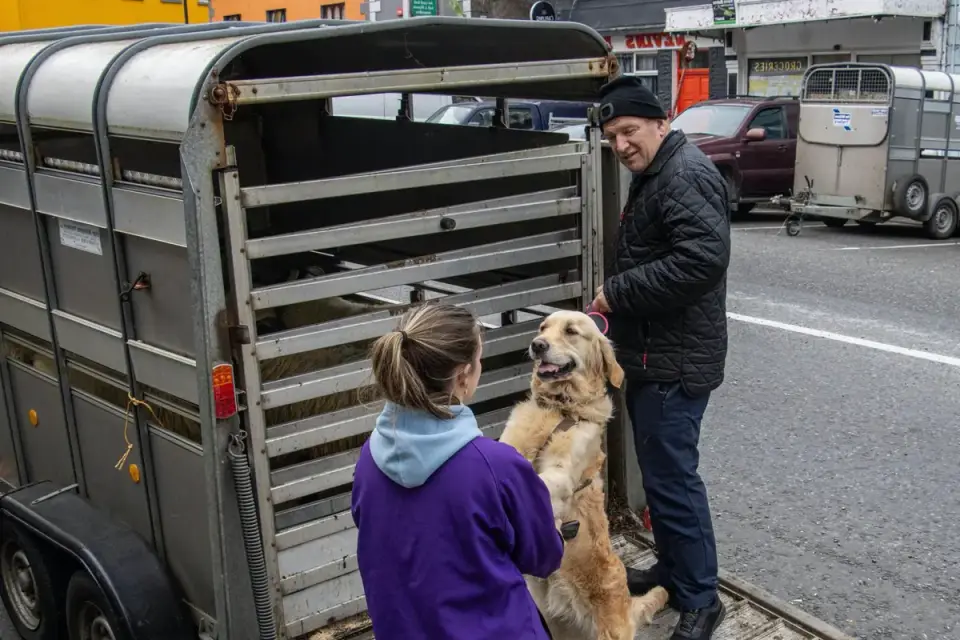
That second pattern showed up in another familiar scenario: a 6-year-old, 44-pound border collie mix three weeks in to a home program after a minor iliopsoas strain cleared by her veterinarian. She could blast through ten reps, which the owner read as progress. On video she was doing something else — popping her front feet first, rocking weight onto her forelimbs, then dragging the rear up almost as an afterthought. We cut her from ten reps to four, raised the front feet on a 2-inch platform to shift load rearward, and added a full pause in the sit. Her effort went up while the count went down.
How to dose the work without soreness
Treat sit-to-stand like weight training, not cardio. Start with two to three sets of three to five controlled reps, once daily, with at least a minute of easy walking or sniffing between sets. Rest a day if the dog is stiff the next morning or reluctant to sit.
Progress one variable at a time. Add a rep before you add a set. Add a set before you add surface difficulty. Only then consider a slight incline or a low platform for the front feet, which increases hind-limb demand in a way that pairs well with the uphill walking progression I use for endurance. Dogs already working on body awareness can alternate days with the drills in Balance and Proprioception Exercises for Dogs: What Actually Builds Stability.
Stop the session for bunny-hopping at a walk afterward, refusal to sit, panting out of proportion to effort, or a sit that suddenly slants to one side. Those are fatigue signs, not disobedience.
Where nutrition and joint support fit
Stronger muscle still moves on joints that need sound nutrition behind them. Adequate protein, appropriate body condition, and long-chain omega-3s from food therapy may help support whole-patient mobility alongside training, which is how I ground an integrative claim in the nutritional evidence rather than promising a performance gain.
For supplemental ingredients, keep expectations bounded by what the label and literature can carry. Glucosamine and chondroitin are among the most studied joint support ingredients for dogs, and laboratory work cited in the Journal of Veterinary Medical Science found glucosamine HCl did “prevent experimentally induced cartilage degradation in vitro.” A separate peer-reviewed report summarized in Frontiers describes chondroitin in terms that “supports healthy synovial fluid homeostasis.” The NIH Office of Dietary Supplements offers useful context on how these ingredients are studied in people, which helps owners read dog labels with more skepticism.
My position is direct: use food first, use a joint supplement with a transparent dose if the diet needs help, and let the exercise do the strengthening. The counterargument I hear is that supplements should come before loading a sore dog. I land the other way because no capsule builds a motor pattern. If a dog cannot tuck squarely, fix pain control and mechanics with the veterinarian first, then add support nutrition around a program the dog can actually perform. That sequencing also matters after neurologic rest, where the return-to-movement rules in Exercise and Rehab Basics After IVDD or a Back Injury should govern before any strengthening sets.
The edge case that changes the plan is the dog who looks strong until you change the room. I think of a 12-year-old, 62-pound shepherd mix who did perfect reps on rubber mats yet collapsed into a frog-leg sit by day 14 once the owner moved sessions to hardwood. Same dog, same legs, different friction. Joint range and toe-grip were limiting more than muscle. We moved work back to carpet, trimmed the interdigital hair, added a yoga-mat runway to his bed, and kept sets at three reps until his tuck held on two surfaces. Strength carries over only where footing lets the dog use it.
Film once a week from the side. Score tuck symmetry, speed off the floor, and whether the dog can hold the sit for two seconds without tipping. When those hold steady for two weeks, progress.
For related context, read Uphill Walking to Build a Dog’s Hind-End Strength.
For related context, read Exercise and Rehab Basics After IVDD or a Back Injury.
Frequently asked questions
How many sit-to-stand reps should I start with?
Most adult dogs start well with 2–3 sets of 3–5 slow, square reps once daily on a non-slip surface, with rest days if morning stiffness appears.
Should the dog's front feet be elevated?
Only after the flat-ground tuck is clean. A 1–2 inch front platform shifts load to the rear, but stop if the dog leans, splays, or loses sit symmetry.
Is soreness normal the next day?
Mild fatigue fades by morning. Ongoing stiffness, refusal to sit, or a new limp means you progressed too fast — cut volume and check with your veterinarian.
Sources
- Chondroitin, glucosamine and synovial homeostasis in dogs — Frontiers
- Preventive effects of glucosamine on cartilage degradation in vitro — Journal of Veterinary Medical Science
- Glucosamine and Chondroitin Health Professional Fact Sheet — NIH Office of Dietary Supplements